
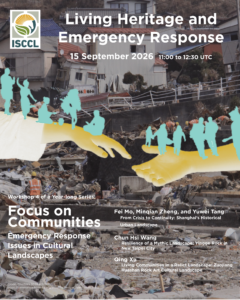
2026 Workshop #4: Focus on Communities
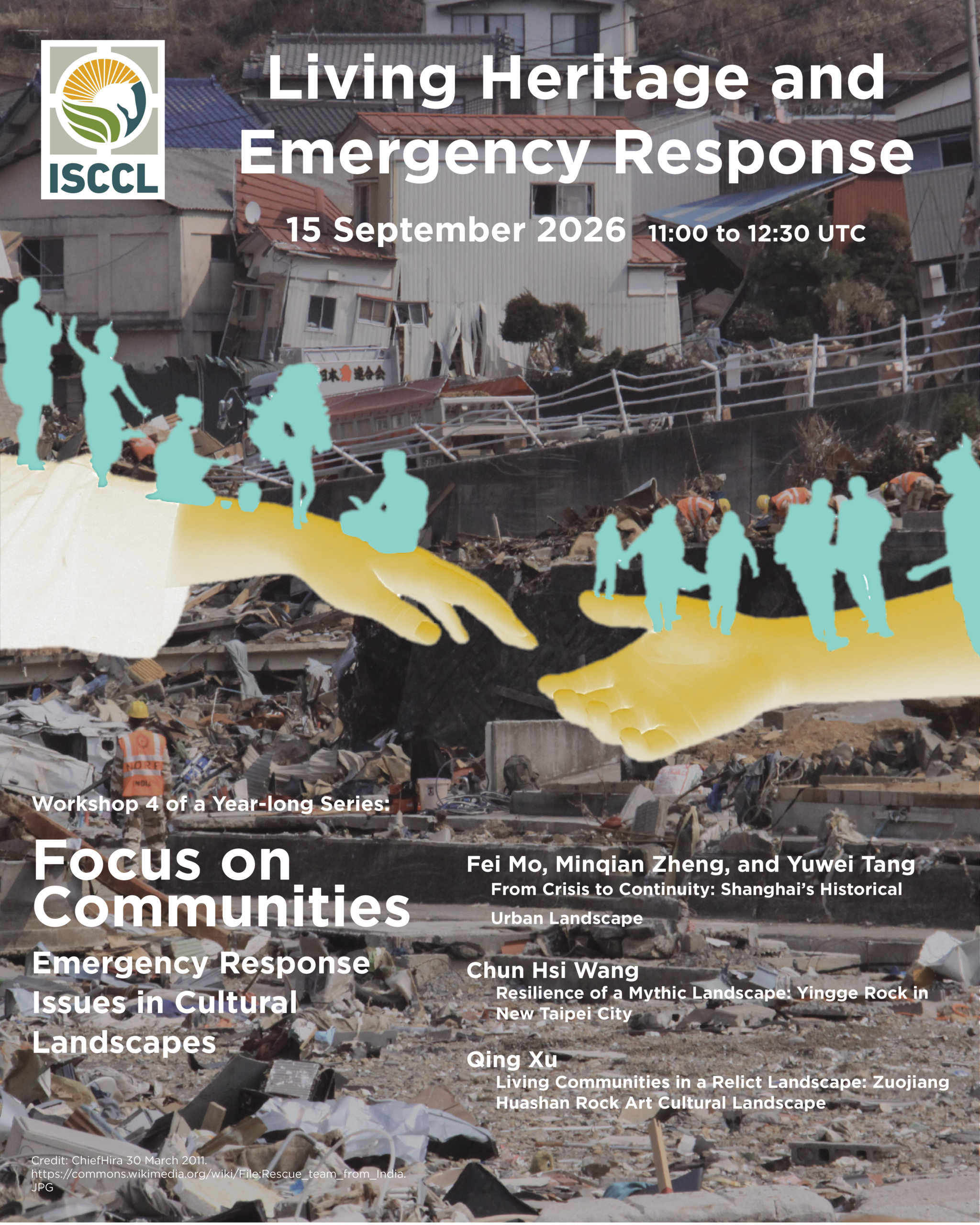
Workshop #4 in a year-long series of workshops, focusing on the issues of emergency response for cultural landscapes:
Living Heritage and Emergency Response: Focus on Communities in Cultural Landscapes
Date: September 15, 2026 at 11:00 UTC
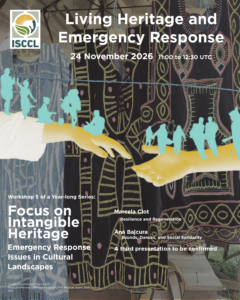
The series of Workshops will continue with the final in the series,
- November 24th: “Focus on the link between intangible heritage and cultural landscapes.”
From Crisis to Continuity: Shanghai’s Historical Urban Landscapes as Living Heritage Responding to Conservation Strategies and Public Preferences
This article investigates how the urban landscapes of Shanghai were created during a period of political turbulence and war, and how they have experienced drastic changes in socio-political structures throughout the modern era. It aims to explain the resilience of these landscapes in the face of natural disasters and political instability, and reviews their conservation as heritage in contemporary society in order to demonstrate the similarities and differences between governmental approaches and public perception. The study adopts a multi-scalar approach to examine changes at the city, district, neighborhood, and individual park levels. It highlights the significance of viewing modern urban landscapes as urban heritage, while also emphasizing a public-oriented perspective to enhance their relevance in contemporary society. Primary archival documents, along with planning and design schemes, are used to illustrate spatial transformations, and a large-scale public perception survey is conducted through online open resources. This study argues that living heritage must be conserved in conjunction with everyday life activities; otherwise, its value cannot be effectively perceived by the general public.
Biography:
Chun Hsi Wang
Resilience of a Mythic Landscape: The Conservation and Emergency Response Plan of “Yingge Rock” in New Taipei City
“Yingge Stone,” located in New Taipei City, was designated as a cultural landscape in 2006; its sandstone geomorphology is linked to the myths and legends surrounding the historical figure Zheng Chenggong (Koxinga). The management plan, completed in 2024, comprehensively examines how living cultural heritage can maintain resilience in the face of environmental threats through a framework of threats and action plans, while striking a balance between physical preservation and the site’s evolving spiritual and recreational functions.
The management of such mythical landscapes involves a complex interplay between natural stability and cultural continuity. To this end, the plan adopts a multifaceted risk response strategy. Beyond technical measures—such as establishing physical monitoring systems to detect changes like post-earthquake or post-typhoon displacement—the site’s value is rooted in the legend of Zheng Chenggong (Koxinga) and collective memory. Consequently, “resilience” must also adopt a community-based approach, preserving local narratives alongside physical restoration. The project conducts a critical examination of “exit mechanisms” and establishes a formal delisting procedure to address situations where catastrophic natural disasters irreversibly alter the core characteristics of the landscape.
Biography:
Chun Hsi Wang is Associate Professor at the National Taipei University, Taiwan.
Qing Xu
Living Communities in a Relict Landscape: A Case Study of the Zuojiang Huashan Rock Art Cultural Landscape
Inscribed in 2016 as China’s first rock-art World Heritage property, the Zuojiang Huashan Rock Art Cultural Landscape was recognised as an organically evolved cultural landscape, specifically a relict or fossil landscape. Together, the rock art sites, cliffs, river system, and tablelands form the essential material framework of this heritage landscape.
However, the heritage area is not an empty fossil landscape. Dozens of Zhuang villages, with more than 10,000 permanent residents, remain distributed across the same tablelands where the ancestors of the rock-art makers once lived. Since nomination and inscription, however, the relationship between these living communities and the rock art has remained insufficiently articulated in conservation discourse. As a result, the villages have been placed under strict protection controls while facing depopulation, constrained development, fragile livelihoods, and limitations in infrastructure and everyday life. This tension has become a central challenge in heritage management.
Drawing on historical documents and fieldwork, this paper argues that village settlement patterns, livelihoods, identity, belief systems, ritual practices, and oral traditions all maintain strong and enduring connections with the rock art sites. These villages are therefore not merely adjacent settlements, but a living component of the rock-art cultural landscape itself. They embody continuing human–environment relationships and sustain the cultural memory, social practices, and place-based knowledge that link present communities to the Luoyue cultural tradition.
The paper argues that conservation management in relict cultural landscapes must move beyond a relic-centred approach and recognise living communities as an integral part of the heritage fabric. In sites such as Huashan, resilience depends not only on safeguarding the rock art and its environmental setting, but also on sustaining the communities whose everyday practices continue to shape, interpret, and transmit the landscape’s living meanings.
Biography:
Quing Xu has been focusing on cultural landscape research and practice for more than ten years. As project leader, she has undertaken two National Social Science Fund Projects, both related to cultural landscapes: ‘Research on Cultural Landscapes of the Minority Nationalities in Poverty Areas of Southwest of China’ and ‘Value Interpretation and Synergy of Rural Planning in China’s World Heritage Cultural Landscapes Sites.’ She was the core member of ‘2010 UNESCO Project of Conservation and Management of World Heritage sites in China: Lushan World Heritage Cultural Landscape Research,’ and made a presentation at the 2012 IFLA Asia-Pacific Region Conference. She took the CNR-ICVBC Training in situ course ‘China-Italy Historic Urban Landscape Bridging Cultures’ in 2016. From 2017 to 2019 she was a senior researcher on UNESCO WHST Programme Chinese Pilot Programme the World Natural Heritage—Wulingyuan Scenic and Historic Interest Area.
Related Articles
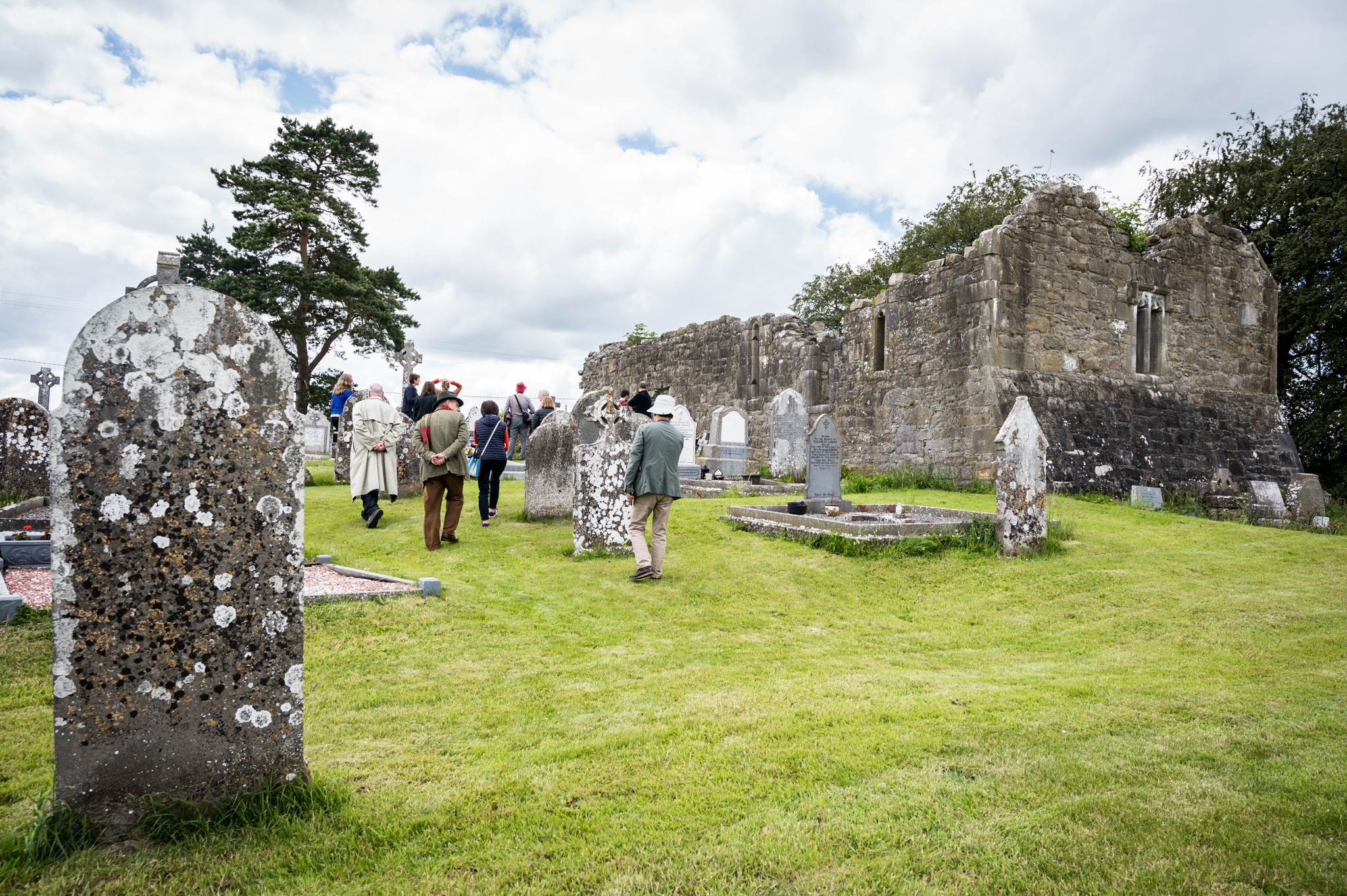
The 2019 ISCCL International Symposium, was held in Ireland at the National Botanical Gardens of Dublin. The meeting was small ...
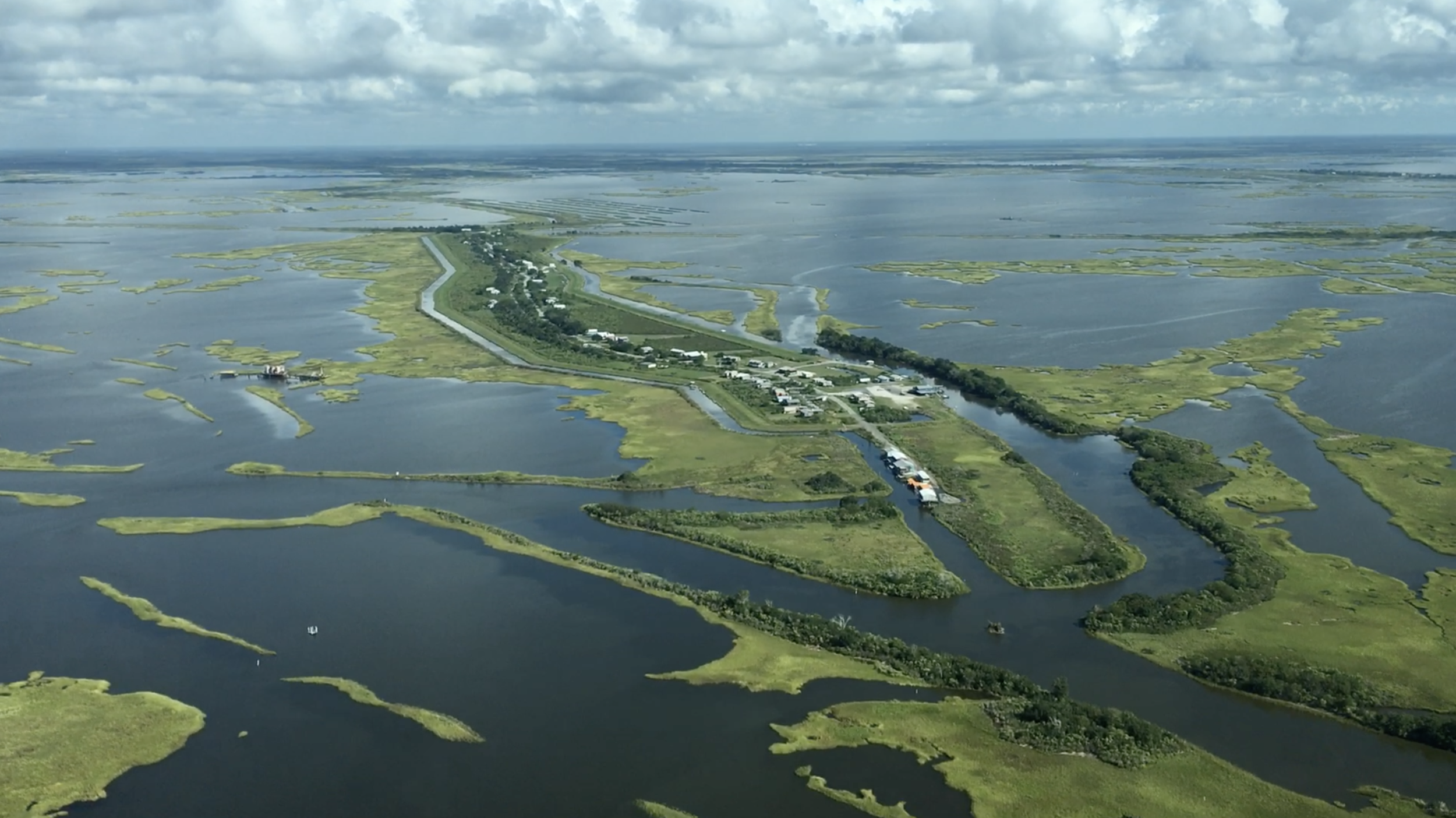
Cultural Landscapes' Critical Role in Responding to Climate Change A cultural landscape webinar that celebrates the International Day of Monuments ...

Part of the Nature Culture Working Group Seminar Series, this lecture was presented by Sheridan Burke on June 21, 2023. ...
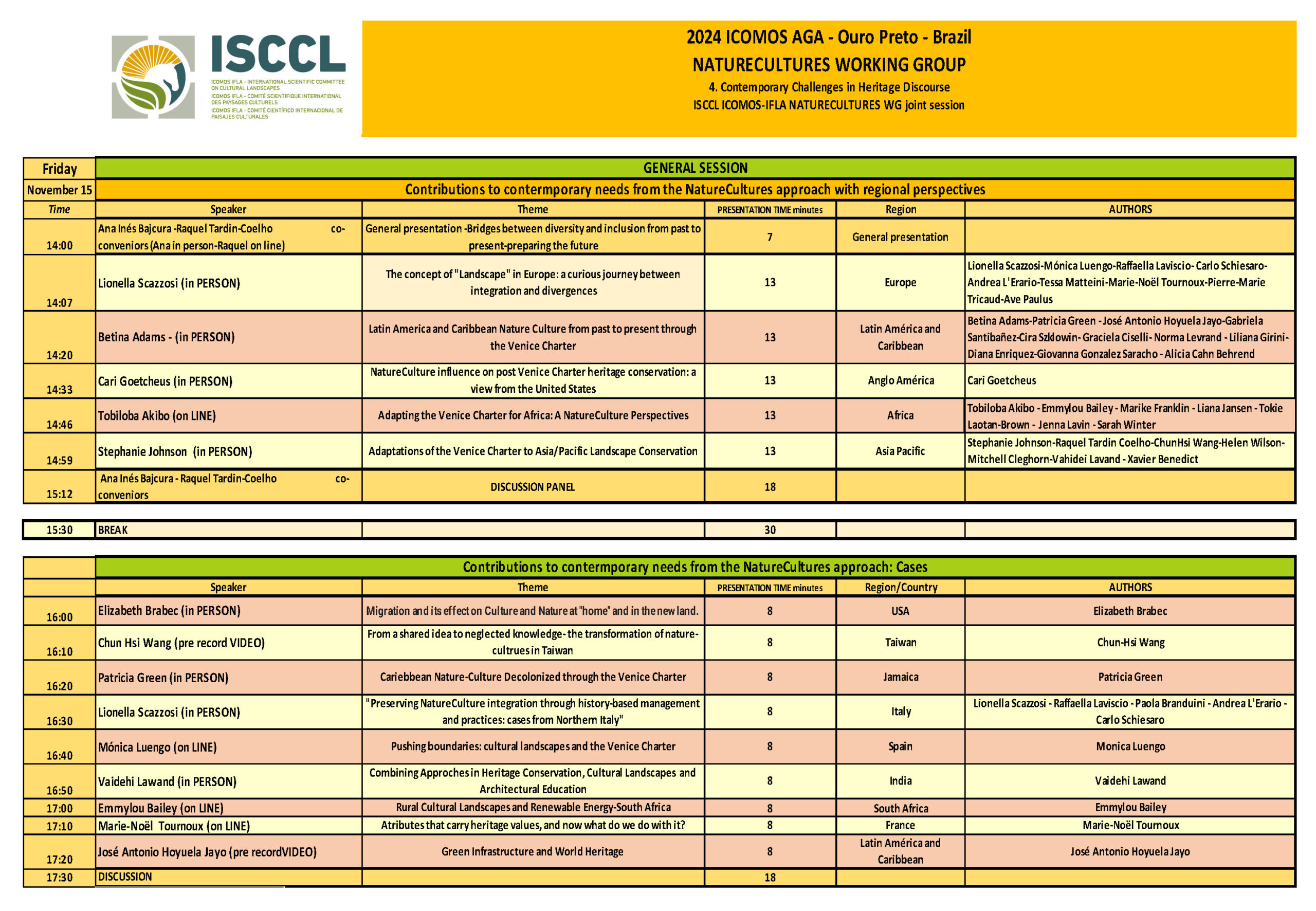
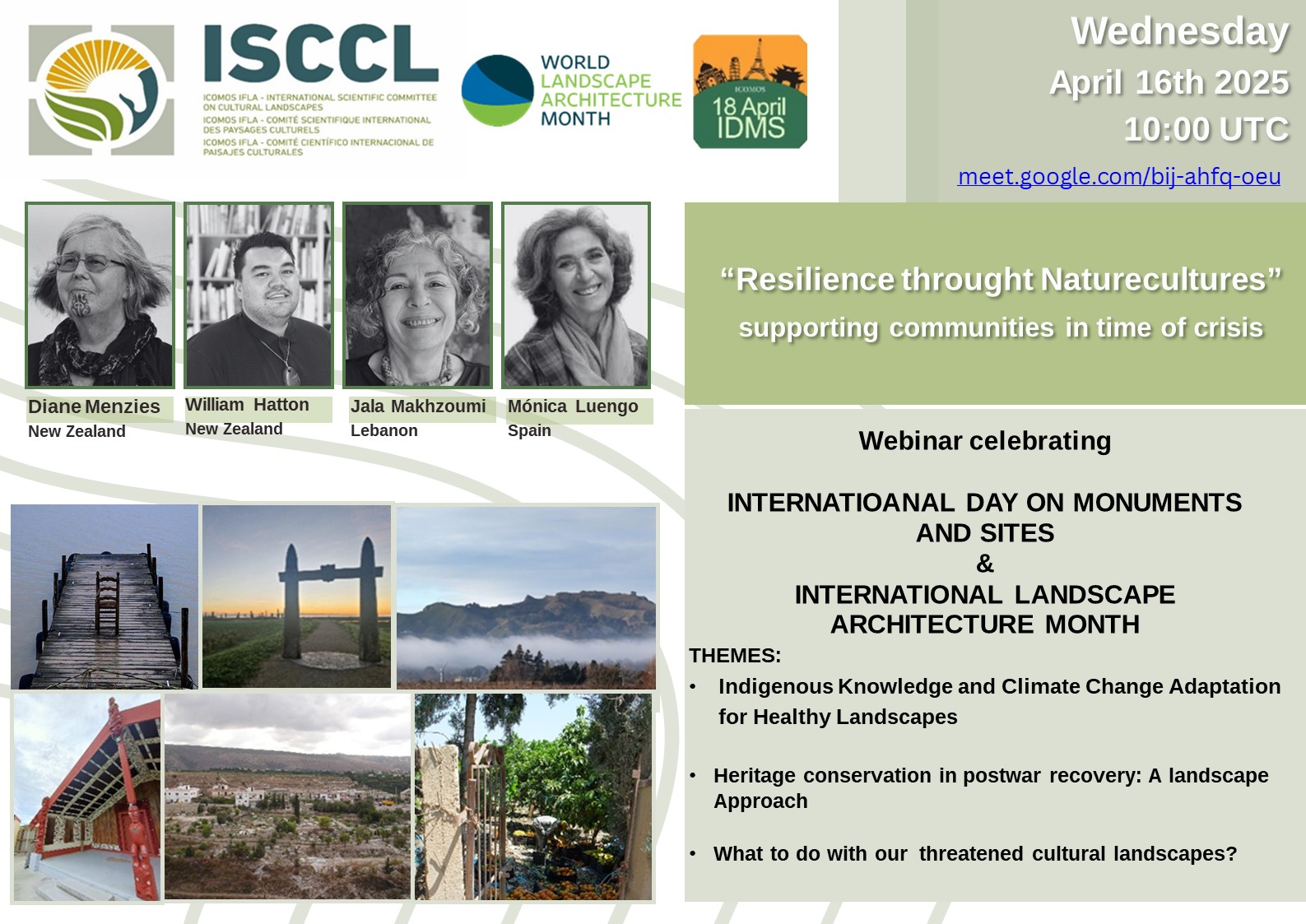
A Webinar celebrating the International Day of Monuments and Sites & International Landscape Architecture Month THEMES: Indigenous Knowledge and ...
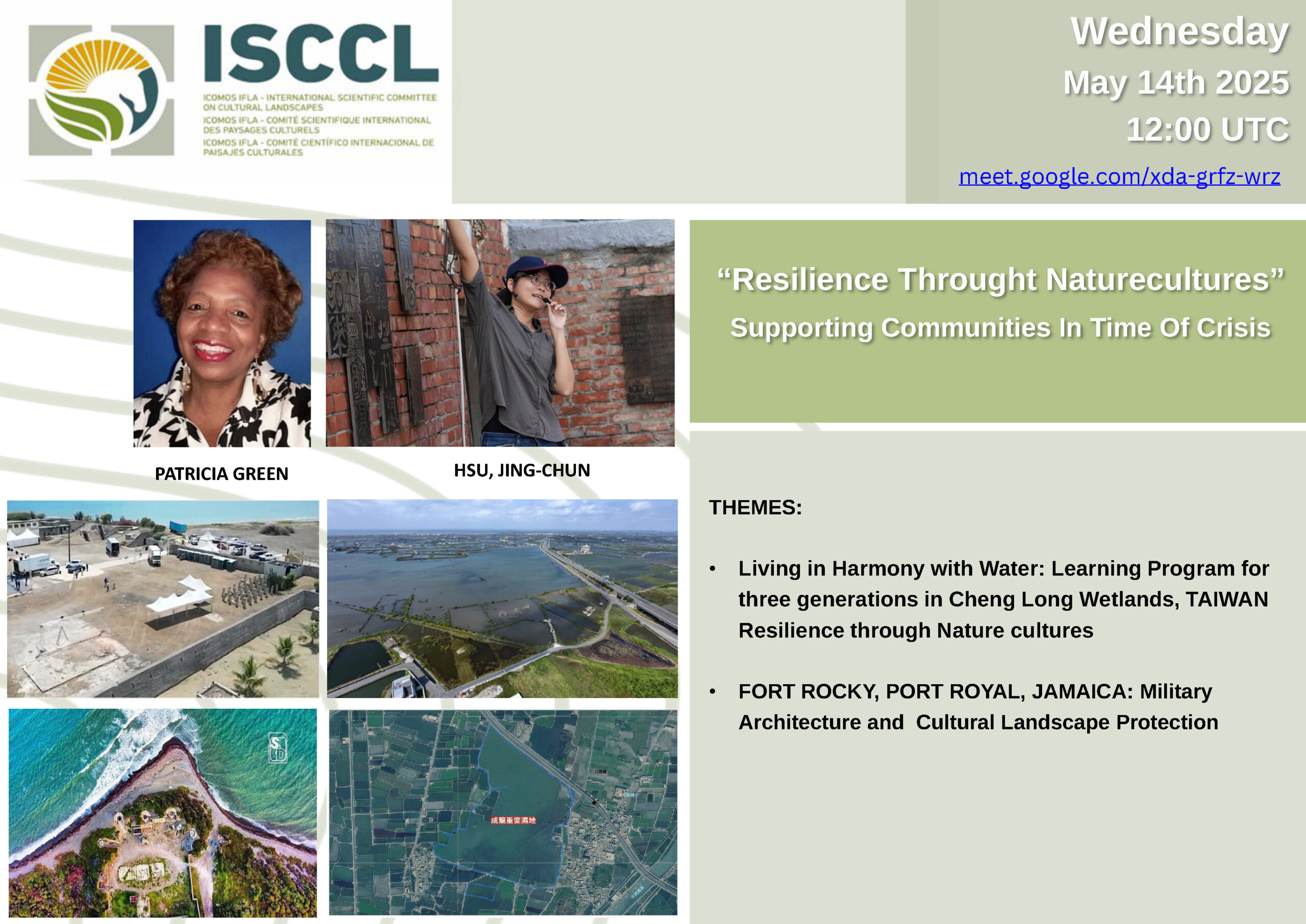
Calendar & News Upcoming Meeting Meeting Archive Discussion Documents Themes ...
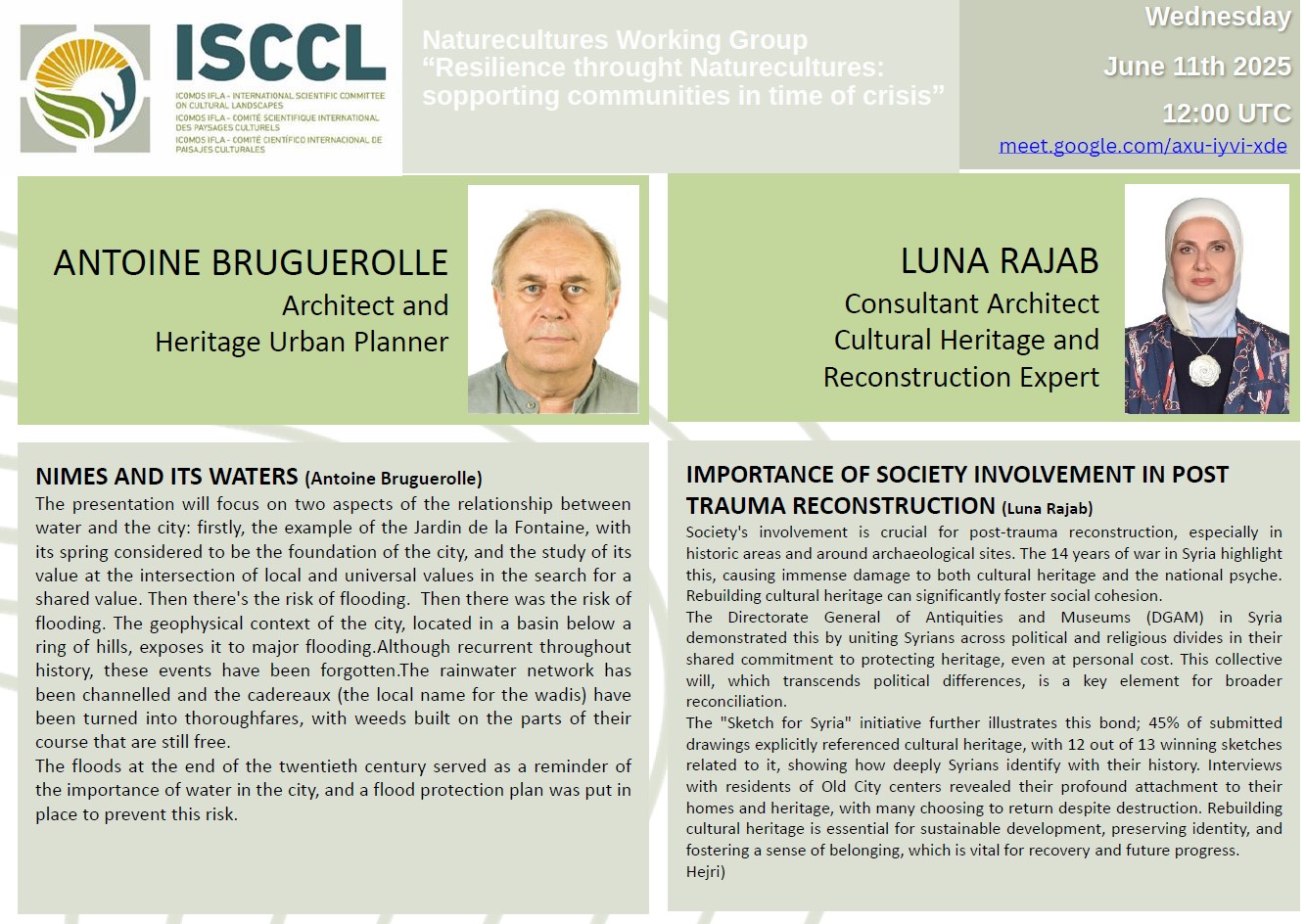
Themes Nimes and its water: The presentation will focus on two aspects of the relationship between water and ...
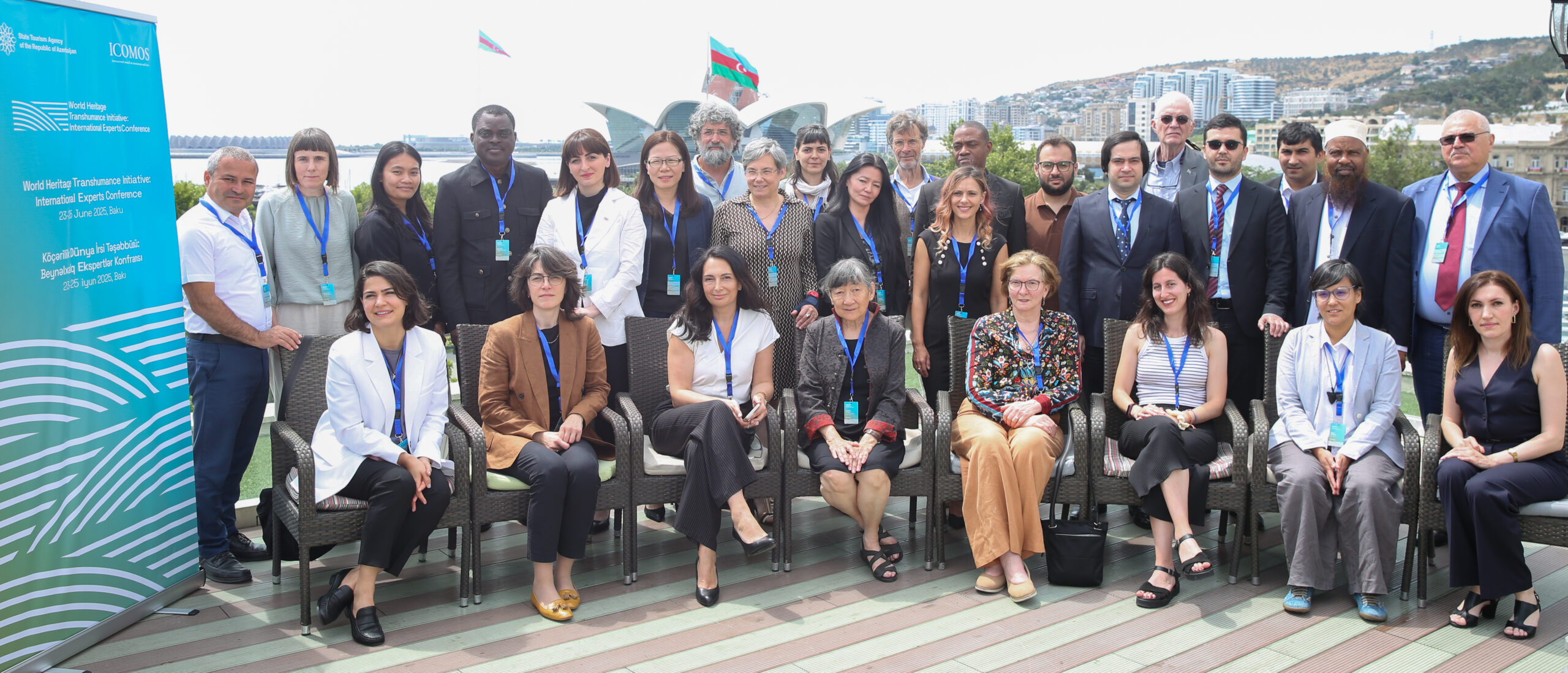
“The Baku Declaration on the Recognition, Safeguarding, and Transmission of the Heritage of Pastoralist Transhumance” Adopted at the Transhumance Expert ...
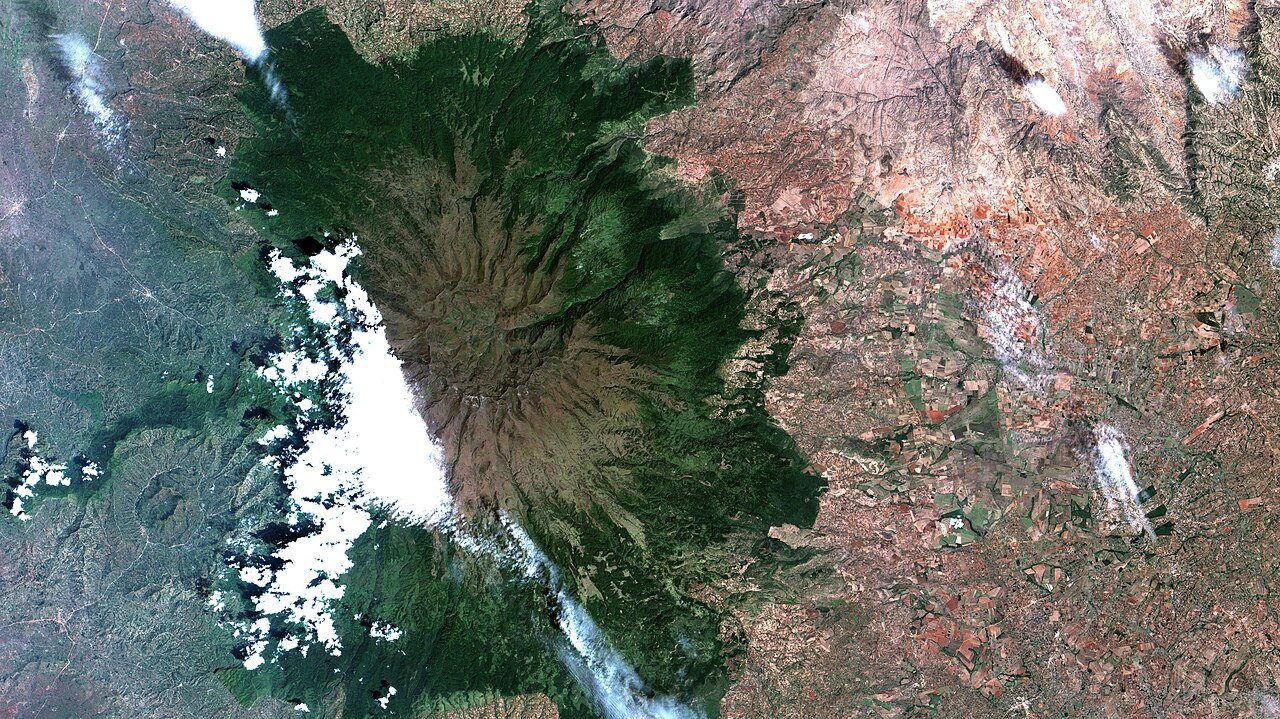
Image above: Mount Elgon, extinct volcano at Uganda - Kenya border, Africa. Agricultural areas appear in orangeish saltpepper, montane forest ...
Focus for this Meeting This webinar is hosted by Raquel, Chun-Hsi, and Ana, and hope to encourage everyone ...
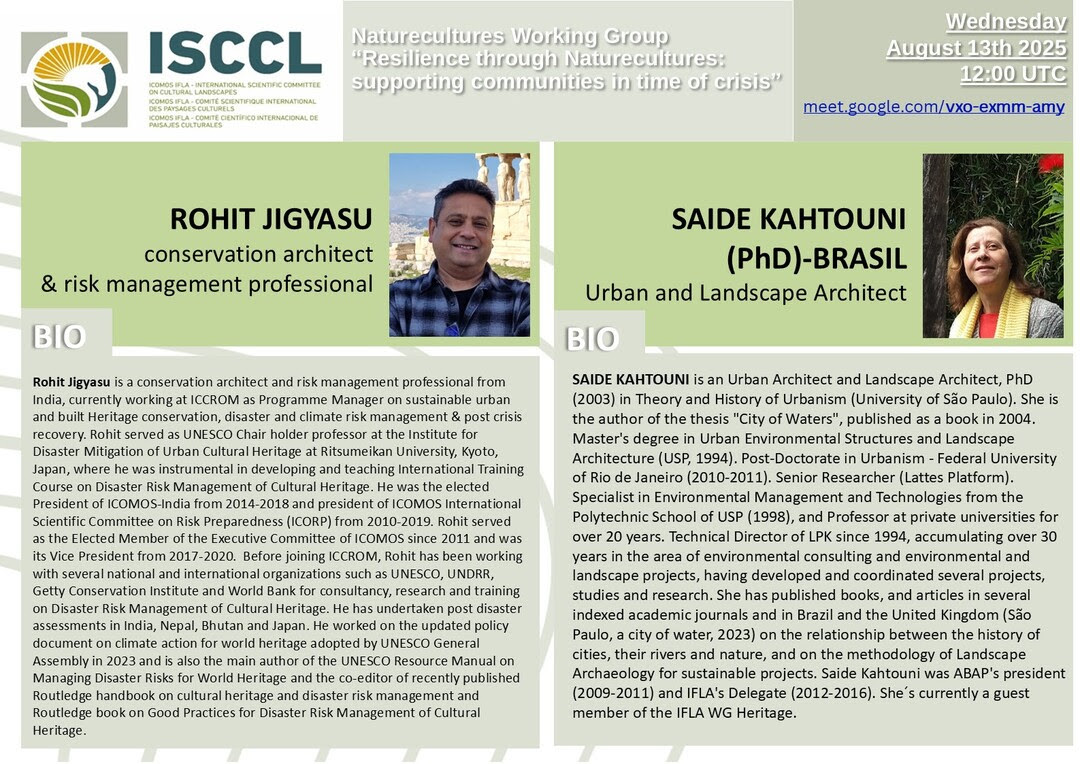
Themes (1) Rohit Jigyasu : Ecological Approach towards building resilience of heritage against disaster and climate changes; (2) ...
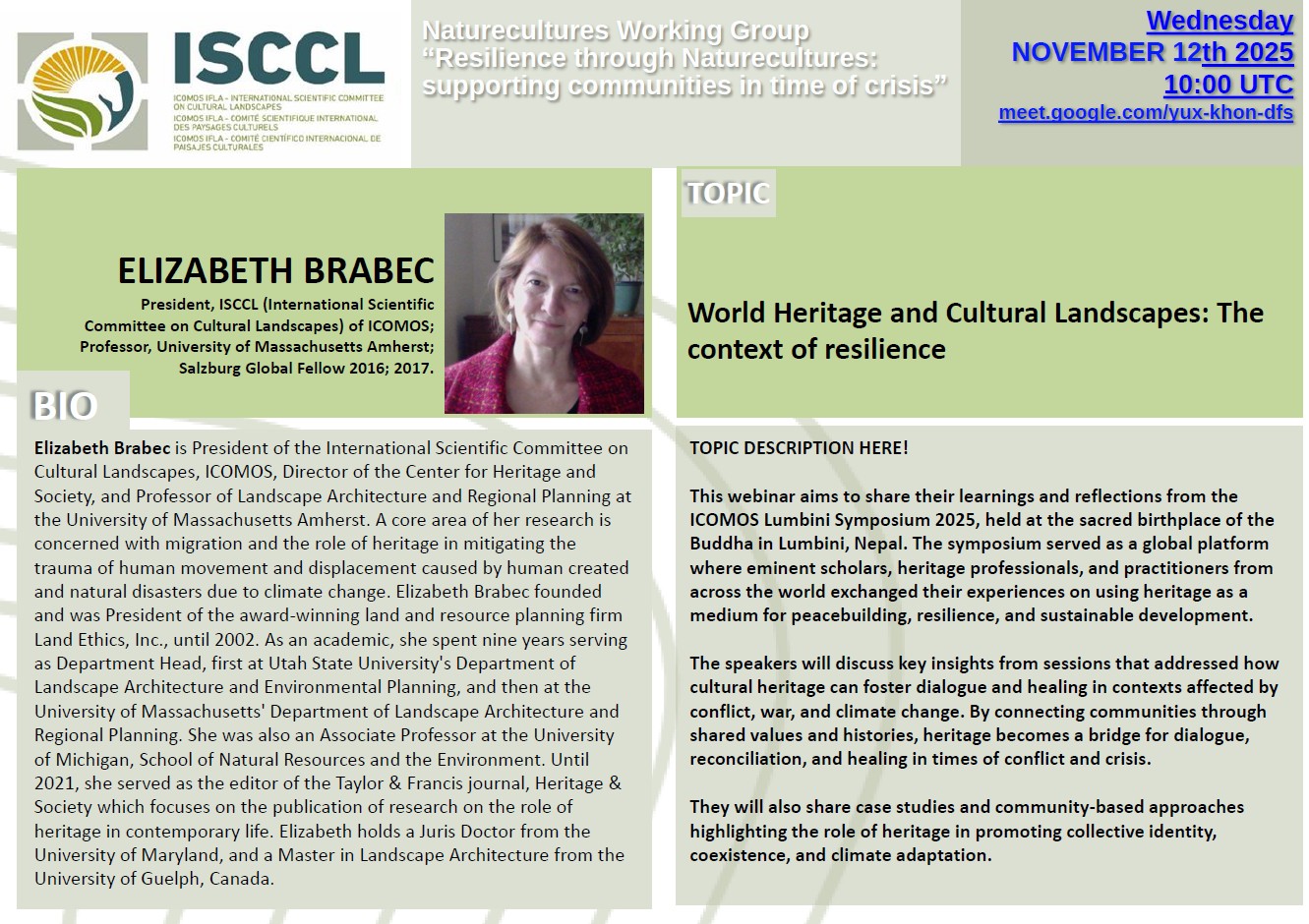
Theme Heritage as a catalyst for peace amidst conflicts, war and climate change Reflections from Nepal session at ...
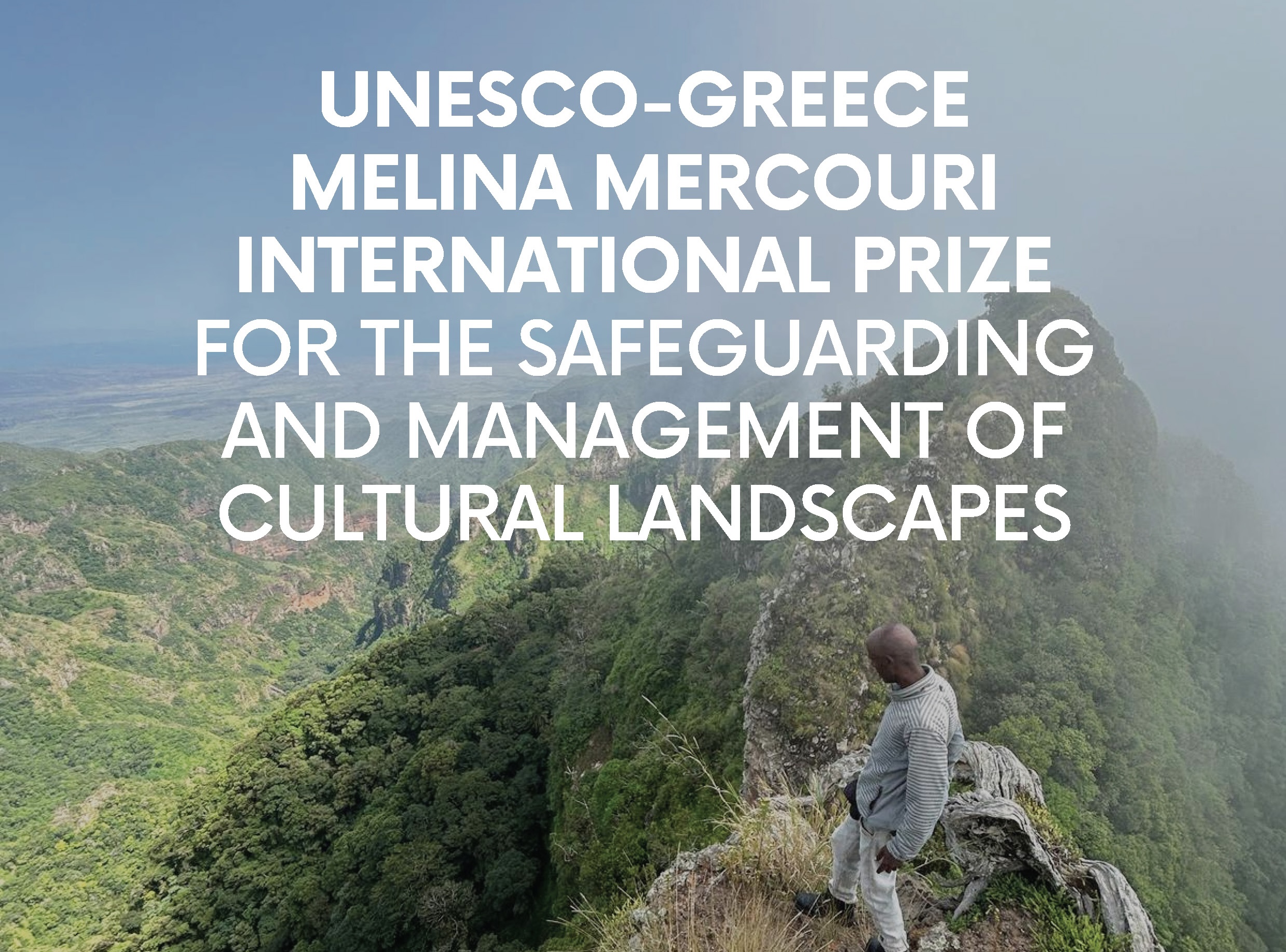
Awarded to Wazee wa Mazingira council of Elders in Kenya: The UNESCO-UNESCO-Greece Mercouri International Prize for the Safeguarding and Management of ...
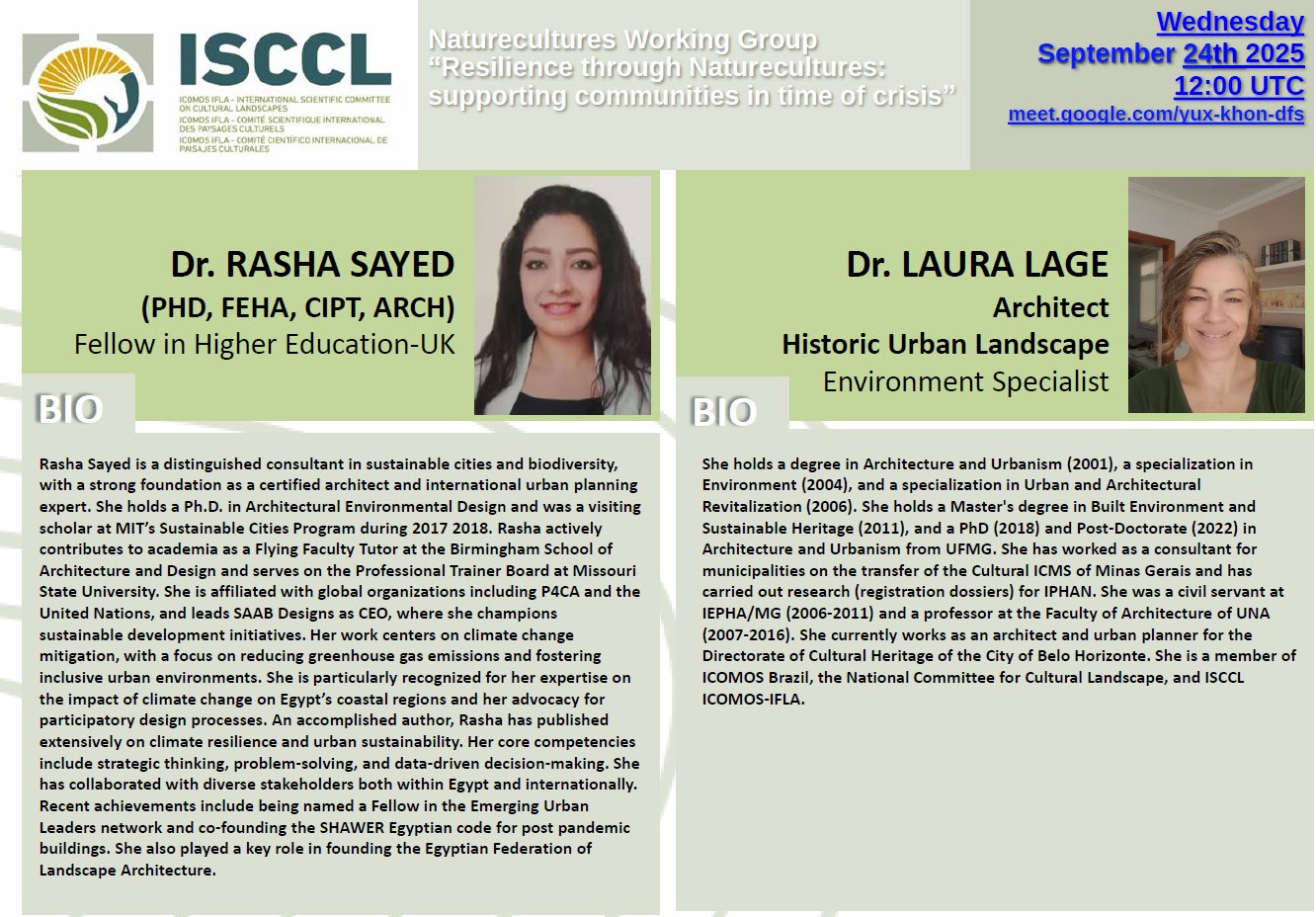
Themes (1) Rasha Sayed: Redesign of Damage Places outdoors as a landscape architecture tool: Reclaiming the landscape: How ...
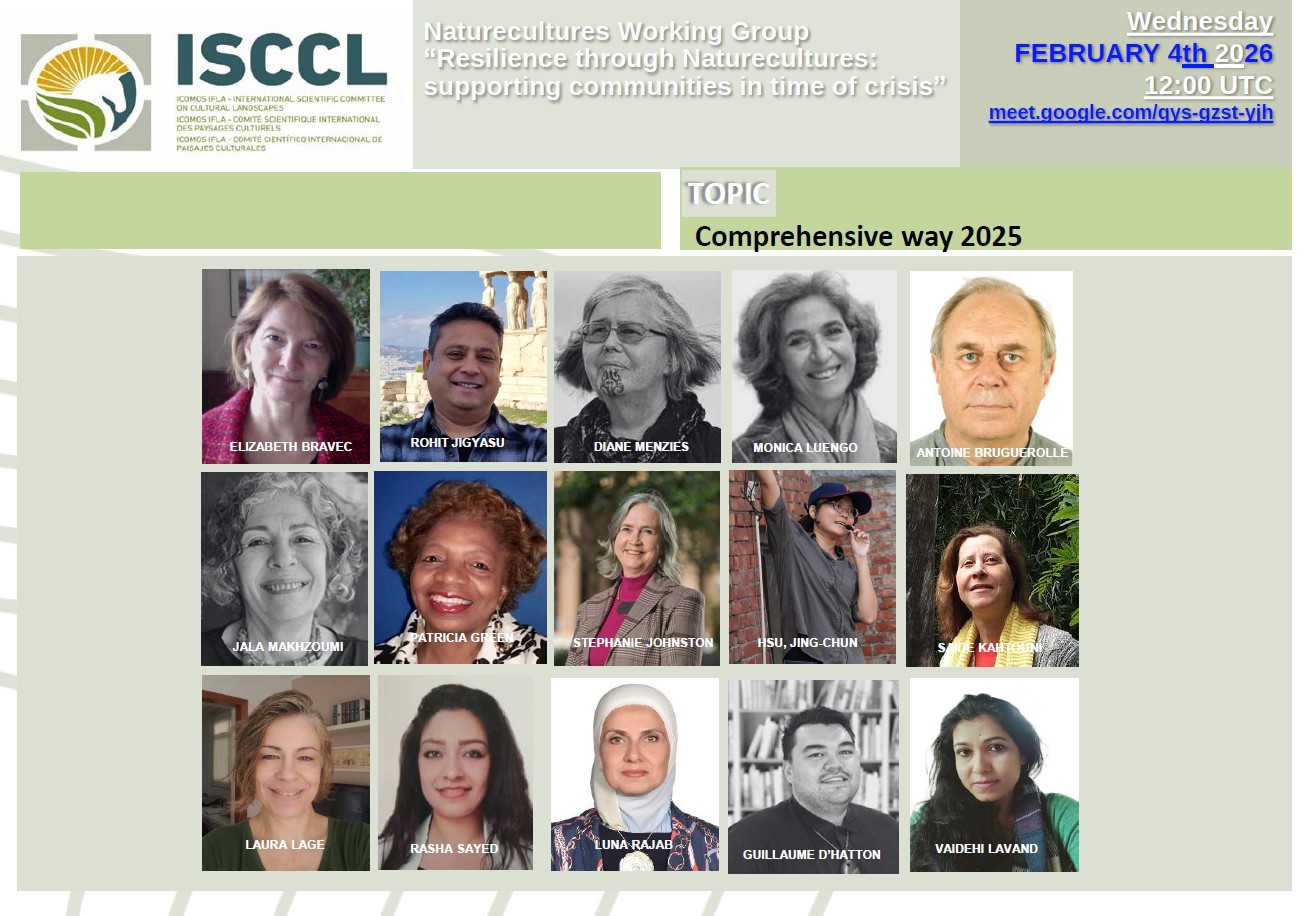
Themes The first webinar of 2026, reflects on last year’s Webinar series, Resilience through NatureCultures, with the topic of ...
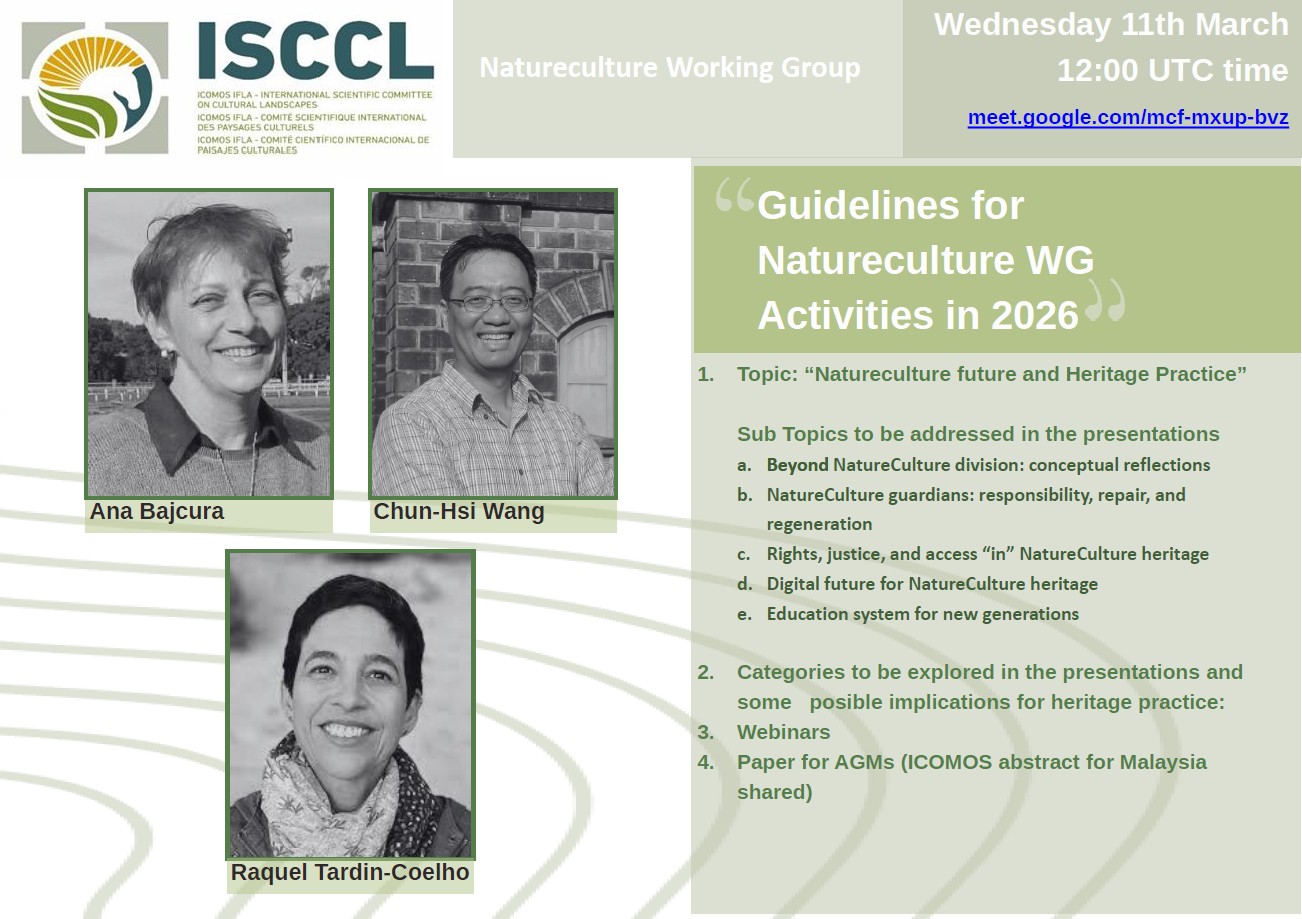
Themes The second webinar of 2026, will be on 'Guidelines for Natureculture Working Group Activities in 2026'. Organised by ...
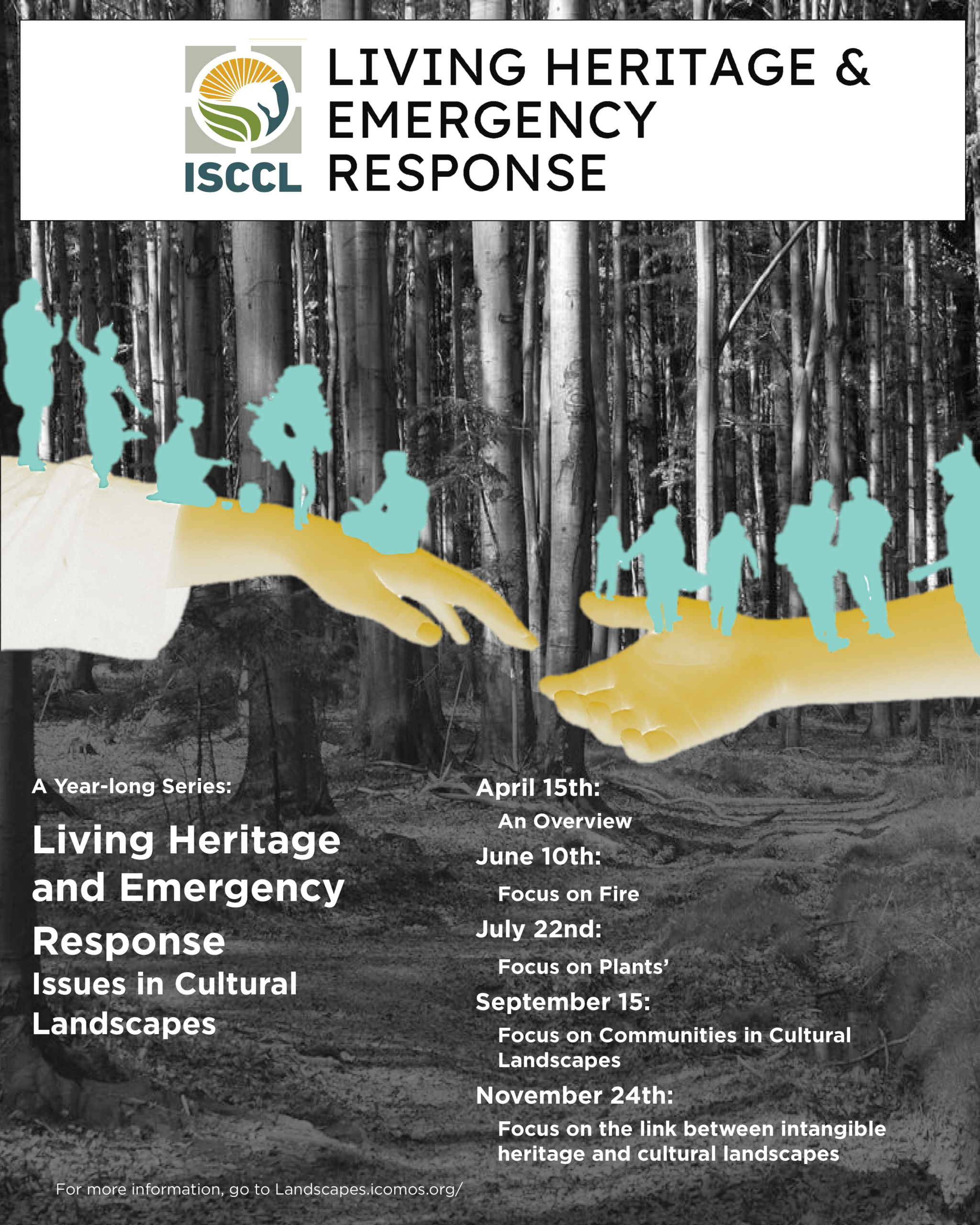
The year-long series of workshops focuses on issues of emergency response for cultural landscapes. The first workshop provides an overview ...
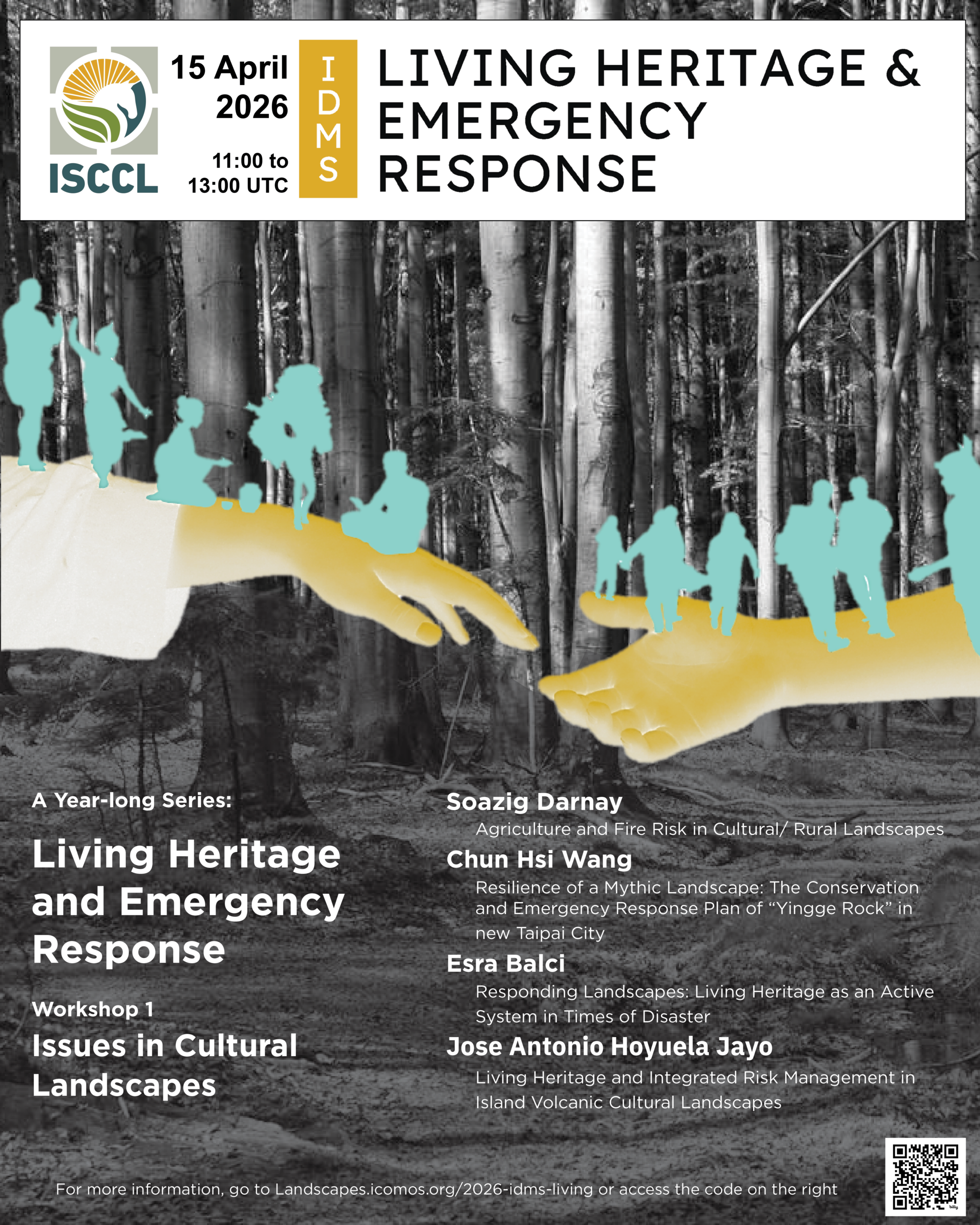
Workshop 1: A year-long series of workshops, focusing on the issues of emergency response for cultural landscapes kicks off ...
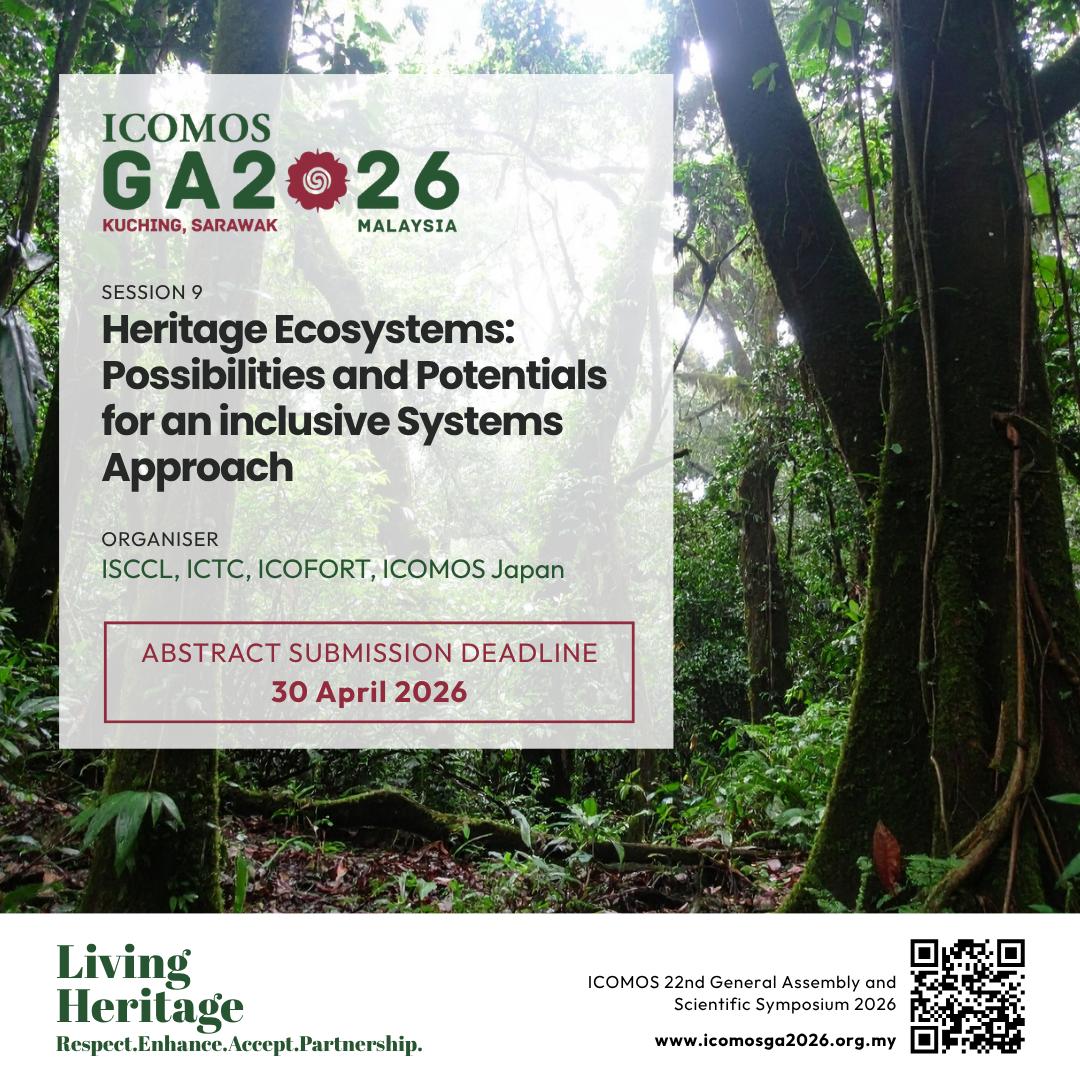
You are invited to contribute to Session 9 of the ICOMOS 22nd General Assembly and Scientific Symposium 2026, to be ...
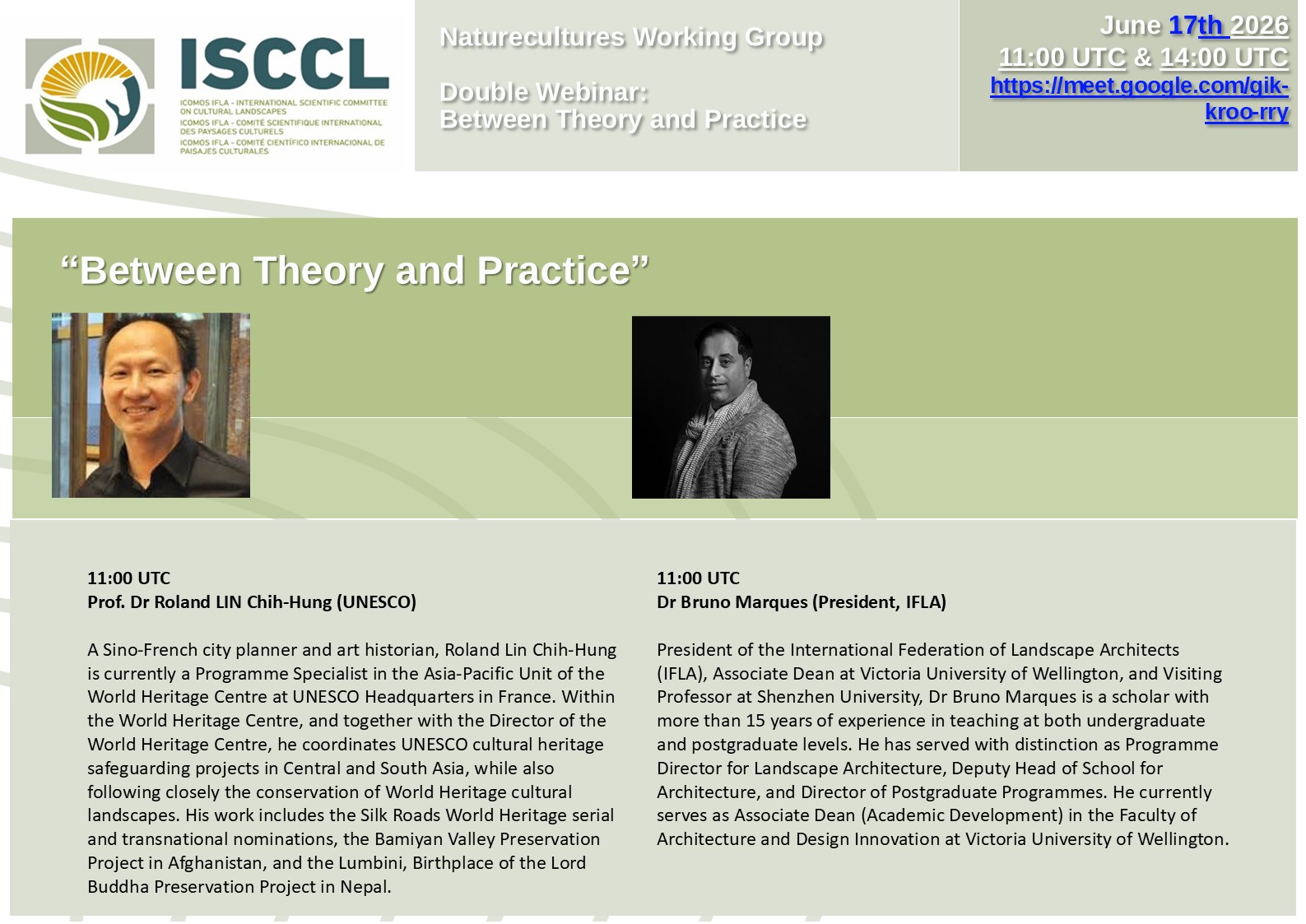
Themes “Between Theory and Practice” 1. WEBINAR UNESCO, IFLA, IUCN, presenters (11:00 UTC time) ROLAND LIN (UNESCO World Heritage ...