
2026 Workshop #3: Focus on Plants
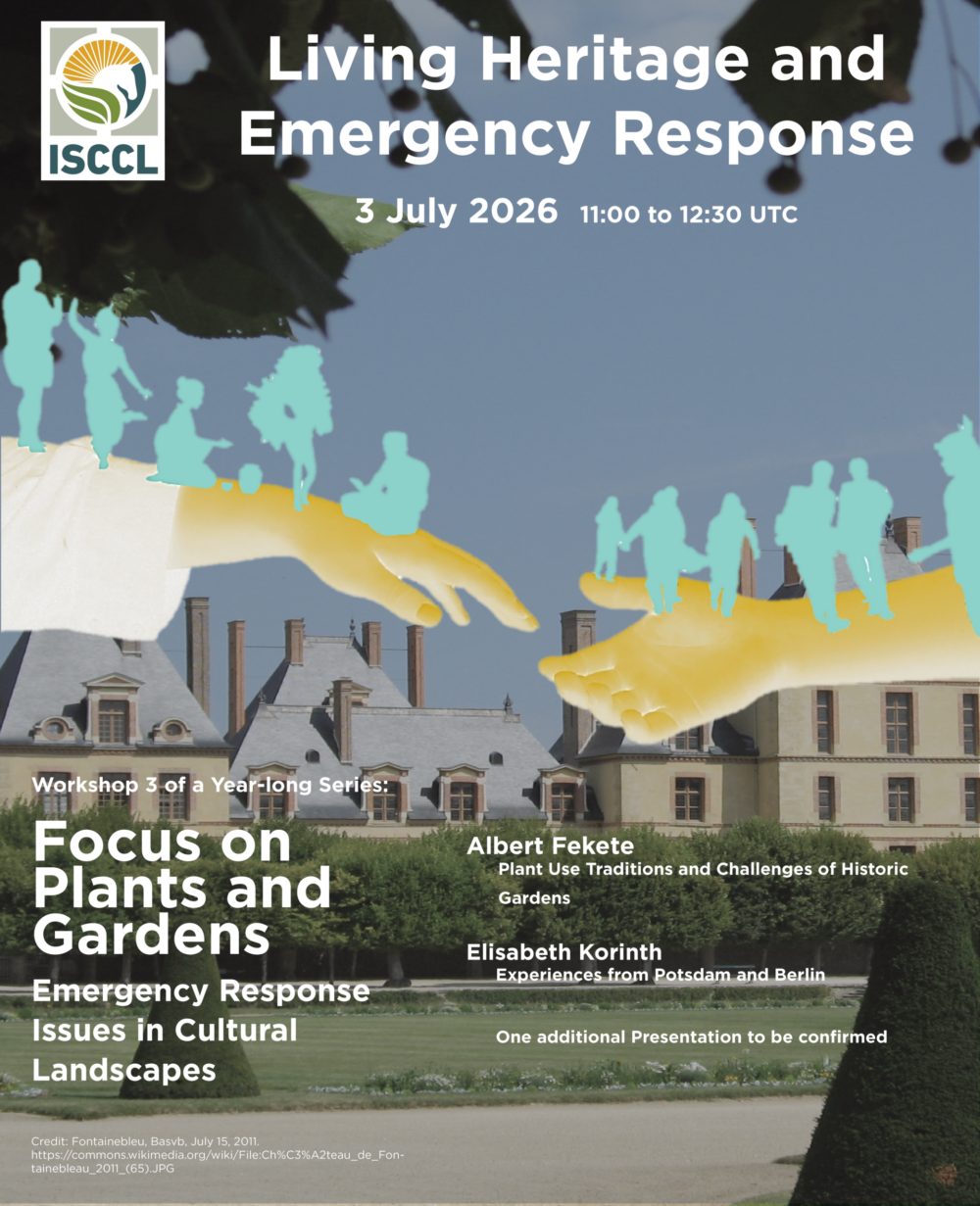
Workshop #3 in a year-long series of workshops, focusing on the issues of emergency response for cultural landscapes:
Living Heritage and Emergency Response: Focus on Plants in Historic Gardens and Cultural Landscapes
Date: July 3, 2026 at 11:00 UTC
The series of Workshops will continue
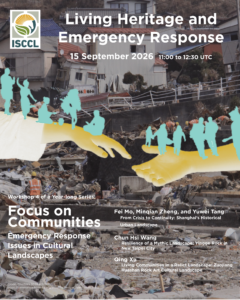
- September 15: “Focus on Communities in Cultural Landscapes” and
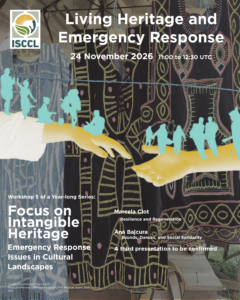
- November 24th: “Focus on the link between intangible heritage and cultural landscapes.”
Albert Fekete
Plant Use Traditions and Challenges of Historic Gardens in the Context of Climate Change
The aim of the lecture is to launch a discourse on the need for new plant applications in historic gardens. Climate change caused by global warming is strongly affecting the plant material of historic gardens. Drier, more extreme weather, is already calling into question the use of many plant species that have traditionally defined the character and image of historic gardens in some regions. Moreover, climate forecasts for the 21st century predict drastic changes in this respect in the coming decades. All these facts call for the development of a strategy that provides general guidelines for new directions in plant management, while preserving the uniqueness, natural and ecological values, historic character and authenticity of our gardens. The presentation intends to be a case study presenting some examples from East European region placed in a larger, European context.
Biography:
Dr. Albert Fekete is Head of the Institute of Landscape Architecture, Urban Planning and Garden Art Budapest, Hungarian University of Agriculture and Life Sciences. He is the founder and curator of the Hungarian Garden Heritage Foundation, and also the President of the Scientific Committee of the European Route of Historic Gardens under the auspices of the Council of Europe.
Professor Fekete is Doctor in Landscape Architecture (PhD) and in Architecture (DLA), researcher, teacher, guest lecturer in several European and overseas universities, among others in the East China Normal University in Shanghai (CHI), Tongji Uniersity in Shanghai (CHI), Zhengzhou Agricultural University (CHI), IESCOA Mumbai (IN), Buenos Aires University (AR), Massachussets University Amherst (USA), Craców University of Technology (PL), Czech University of Life Sciences Prague (CZ), Zagreb Agricultural University (CR), Babes Bolyai University Cluj Napoca (RO).
Dr. Fekete is licenced landscape architect and licensed for renovation of heritage gardens sites, with international design experiences. Founder and owner since 2000 of the Lépték Terv Landscape Office in Budapest and since 2007 of the AB PLAN Design Office in Romania. He is leader or co-author of more than 70 realized landscape projects related mainly to heritage site preservation in Hungary, Romania, Germany, Holland and Spain. Awarded among others in 15 design competitions and winner of several national and international professional recognitions, for instance the „Landscape Architect of the Year” prize in Hungary in 2012 and 2017, and the Europa Nostra Award in Research cathegory, in 2014.
Beside teaching and planning, he has a vast experience of several international cooperations and research programmes (Landscape and Democracy, LED2Leap, EuLand21, INNOLAND etc) with universities and professional partners.
Elisabeth Korinth
Palaces and Parks of Potsdam and Berlin: A study on the impact of climate change
The Palaces and Parks of Potsdam and Berlin represent a an outstanding ensemble of architecture and landscape gardening in the 18th and 19th centuries. This ensemble, having an outstanding artistic rank, has its origin in the work of the most significant architects and landscape gardeners of their time in Northern Germany. The cultural landscape with its parks and buildings was designed and constructed between 1730 and 1916 in a beautiful region of rivers, lakes, and hills. The underlying concept of Potsdam was carried out according to Peter Joseph Lenné’s plans, which he designed after the mid-1800s, to transform the Havel landscape into the cultural landscape it is today.
Heatwaves, declining groundwater levels and extreme weather events are having adverse effects on the Outstanding Universal Value of the site, as well as on the quality of life of the local community. At the same time, the diverse requirements associated with monument conservation, nature conservation, park management, and the related obligations to ensure public safety present significant challenges for the various stakeholders responsible for the World Heritage property. To address the complex challenges posed by climate change a study on the impact of climate change was conducted in 2024 – 2025 with a particular focus on three component parts in Berlin. The study assessed the additional financial and human resources required for park maintenance as a result of climate change. A catalogue of measures was developed as a basis framework for a climate change adaptation strategy.
Biography:
Elisabeth Korinth is currently working at the Senate Department for Urban Planning, Building, and Housing. As the officer for UNESCO World Heritage at the Supreme Heritage Authority, she is responsible for ministerial affairs related to the protection and management of Berlin´s three UNESCO World Heritage sites. Her responsibilities include projects and initiatives aligned with the strategic objectives of the United Nations and UNESCO as its specialized agency. In this context, Ms. Korinth has led a study project to study the impact of climate change on three Berlin component parts of the UNESCO World Heritage site Palaces and Parks of Potsdam and Berlin. The project was conducted in close collaboration with the relevant district park authority, the Berlin Forestry Agency, the Berlin Heritage Authority, and the departments for nature and species protection within the Senate Department for Urban Mobility, Transport, Climate Action, and the Environment.
Related Articles
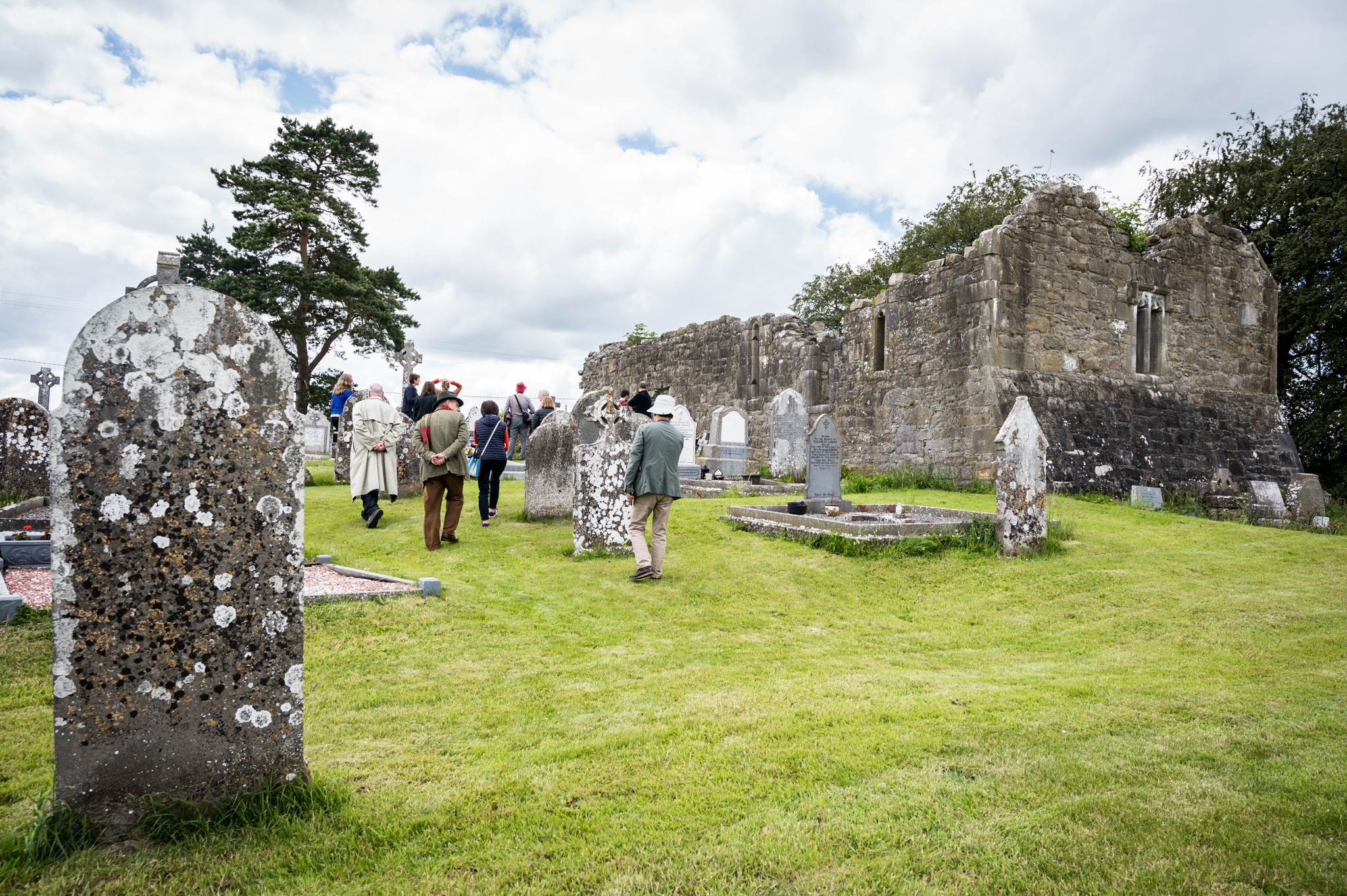
The 2019 ISCCL International Symposium, was held in Ireland at the National Botanical Gardens of Dublin. The meeting was small ...
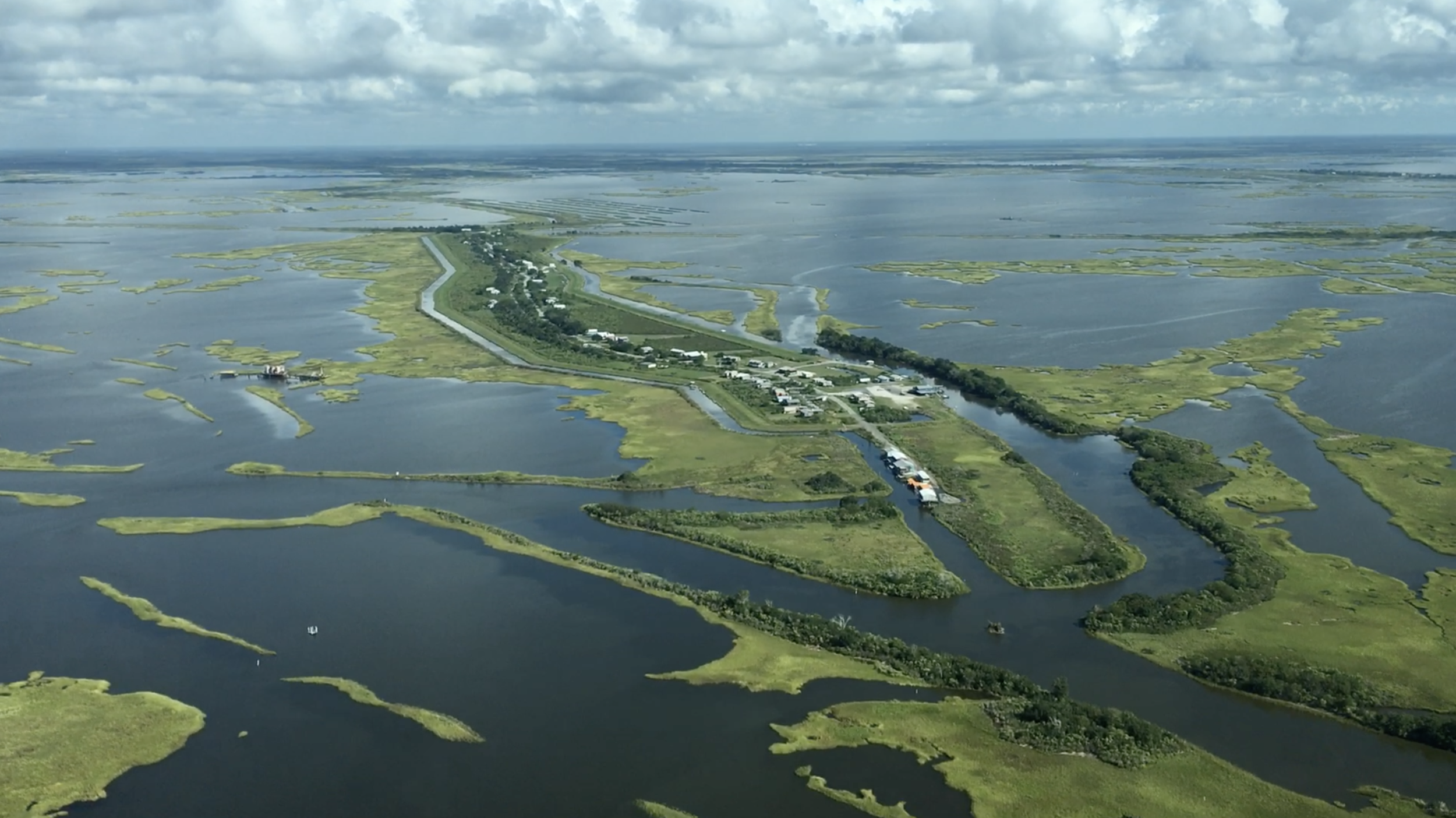
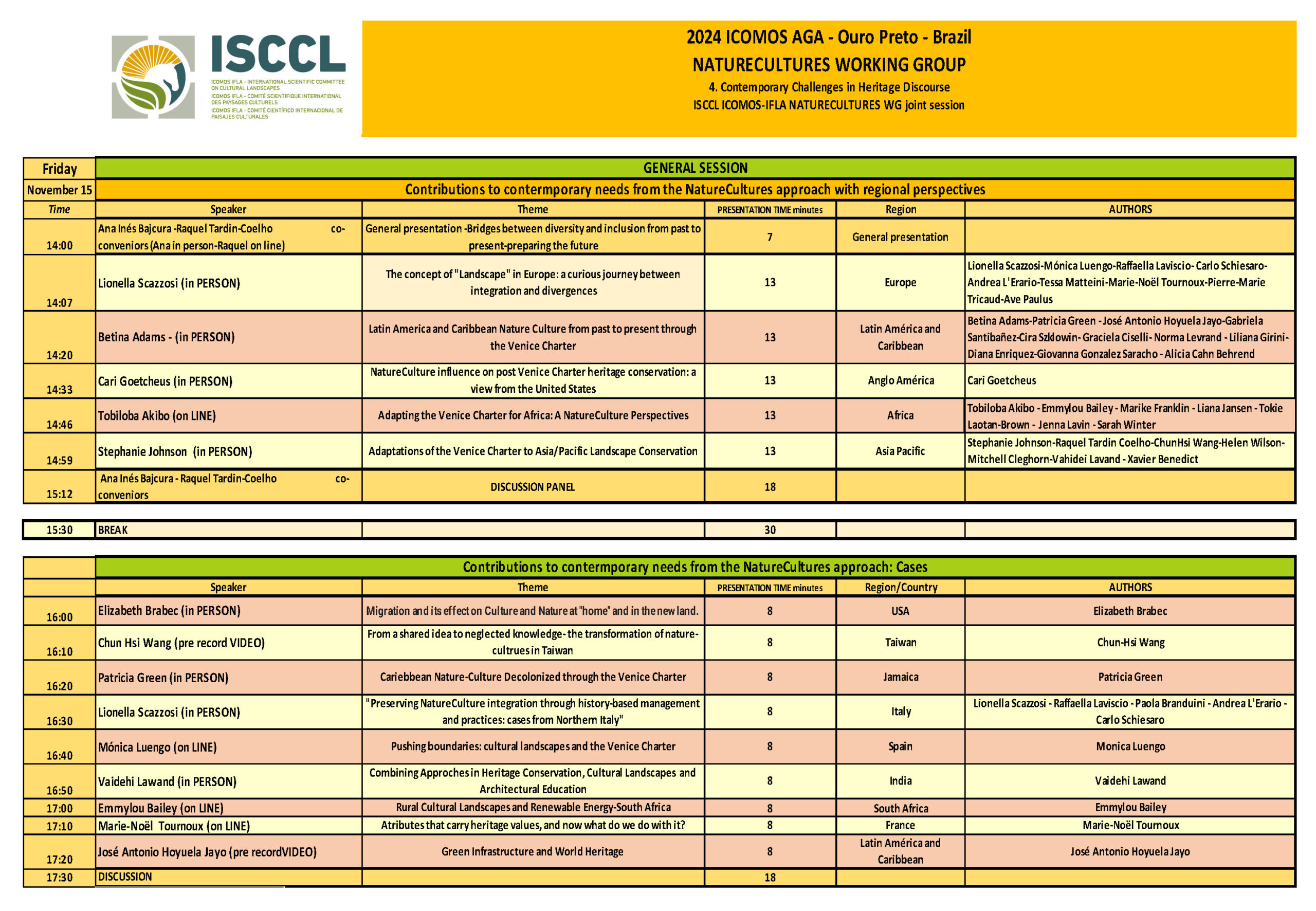
Cultural Landscapes' Critical Role in Responding to Climate Change A cultural landscape webinar that celebrates the International Day of Monuments ...

Part of the Nature Culture Working Group Seminar Series, this lecture was presented by Sheridan Burke on June 21, 2023. ...
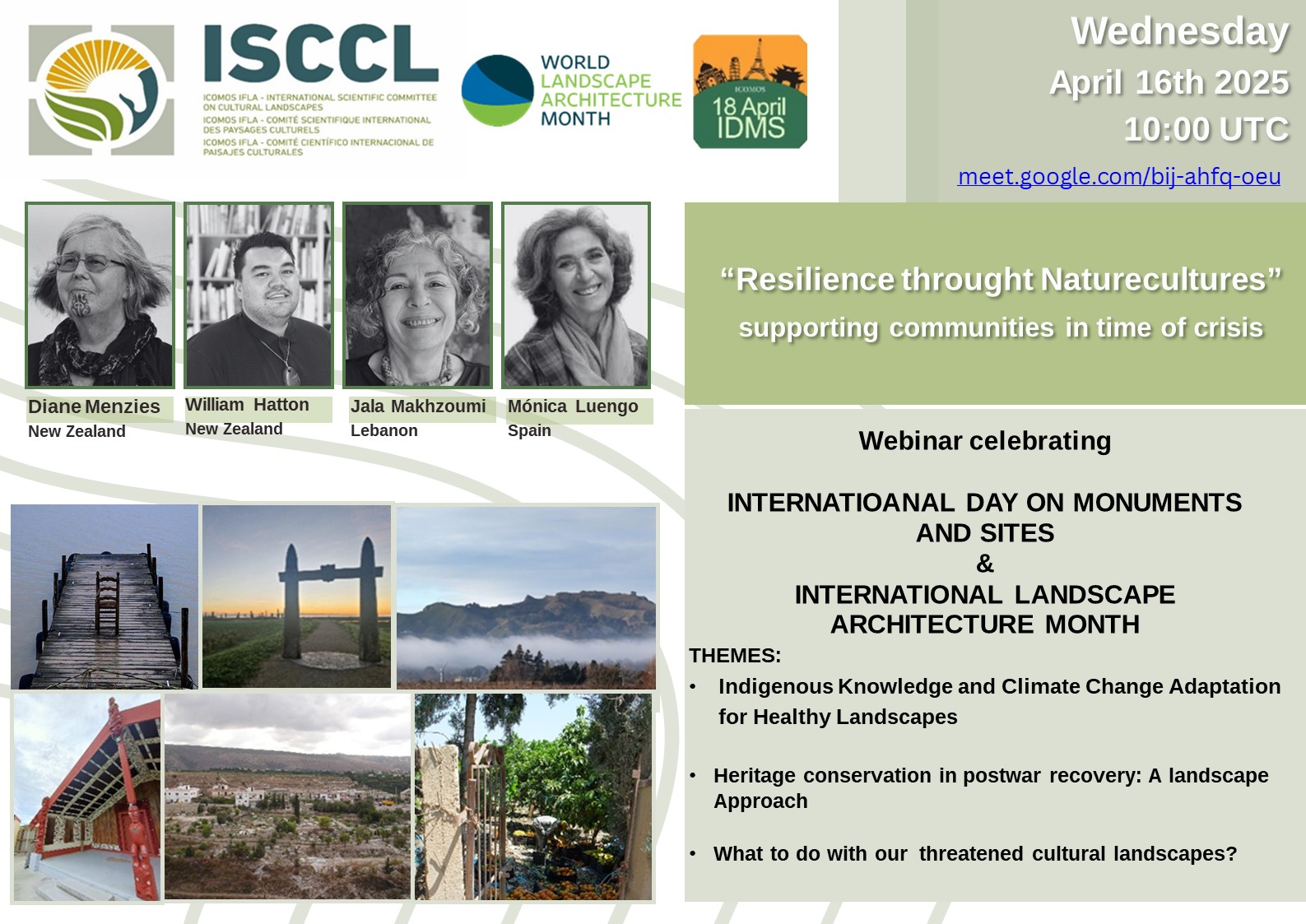
A Webinar celebrating the International Day of Monuments and Sites & International Landscape Architecture Month THEMES: Indigenous Knowledge and ...
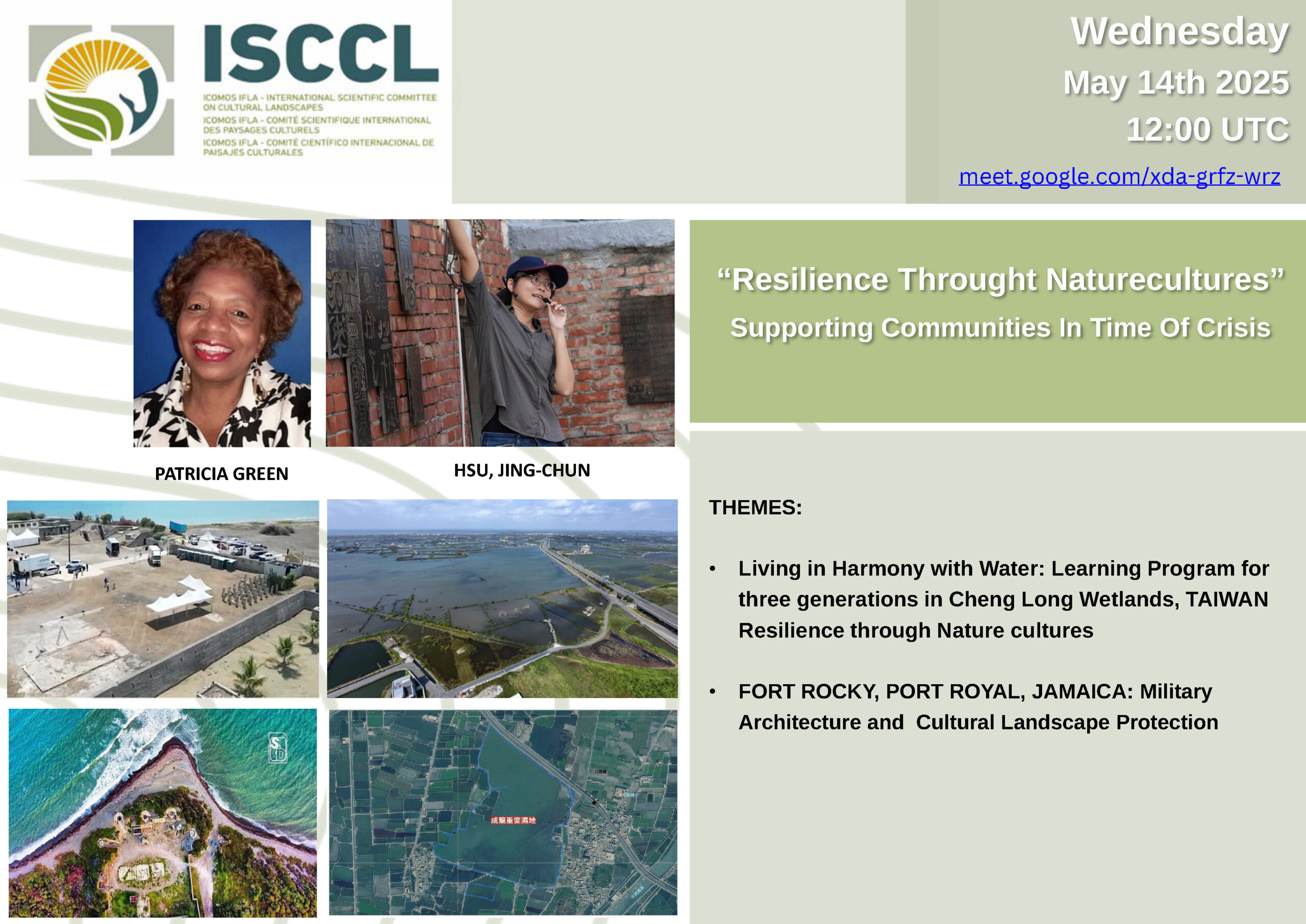
Calendar & News Upcoming Meeting Meeting Archive Discussion Documents Themes Living ...
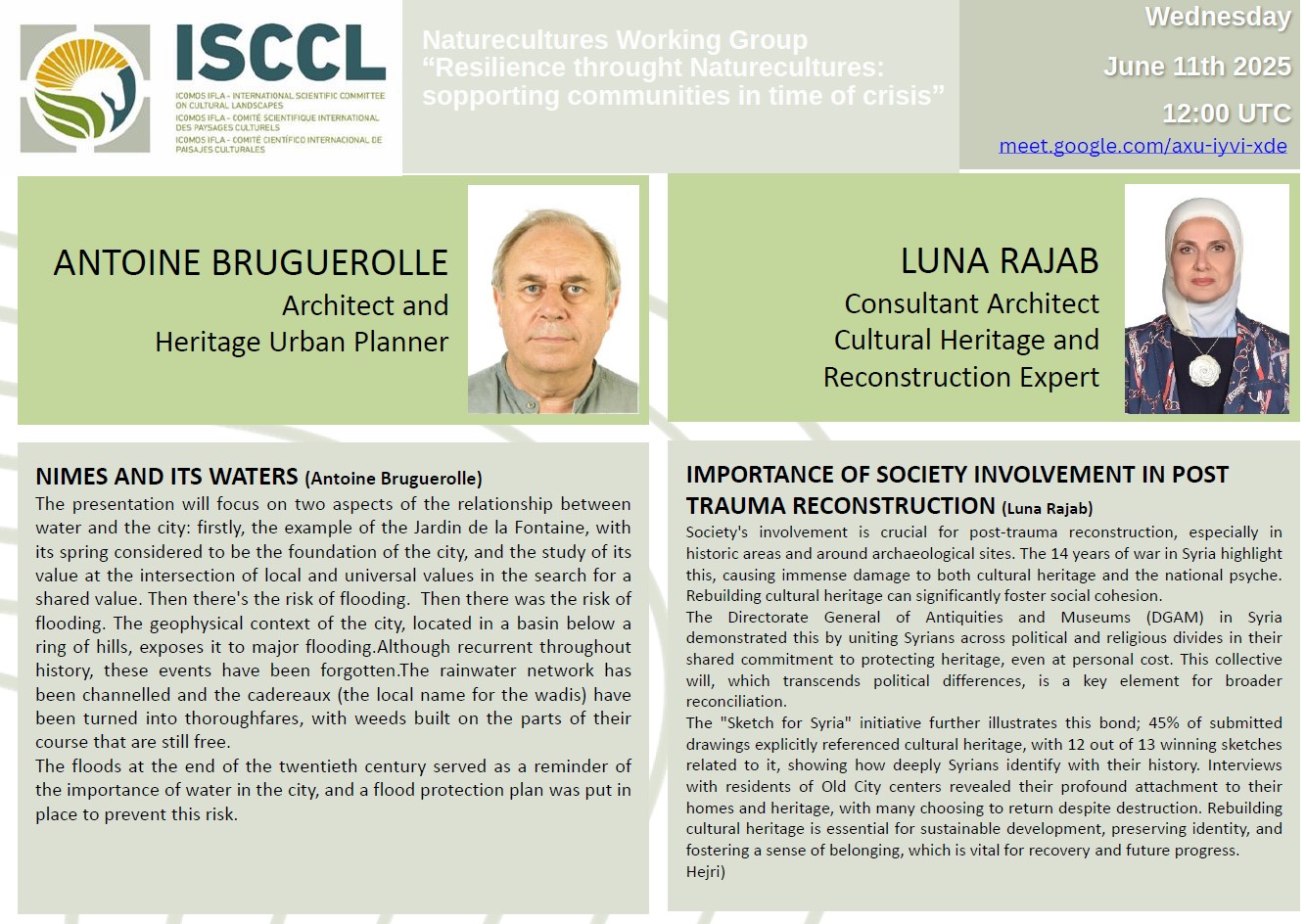
Themes Nimes and its water: The presentation will focus on two aspects of the relationship between water and the ...
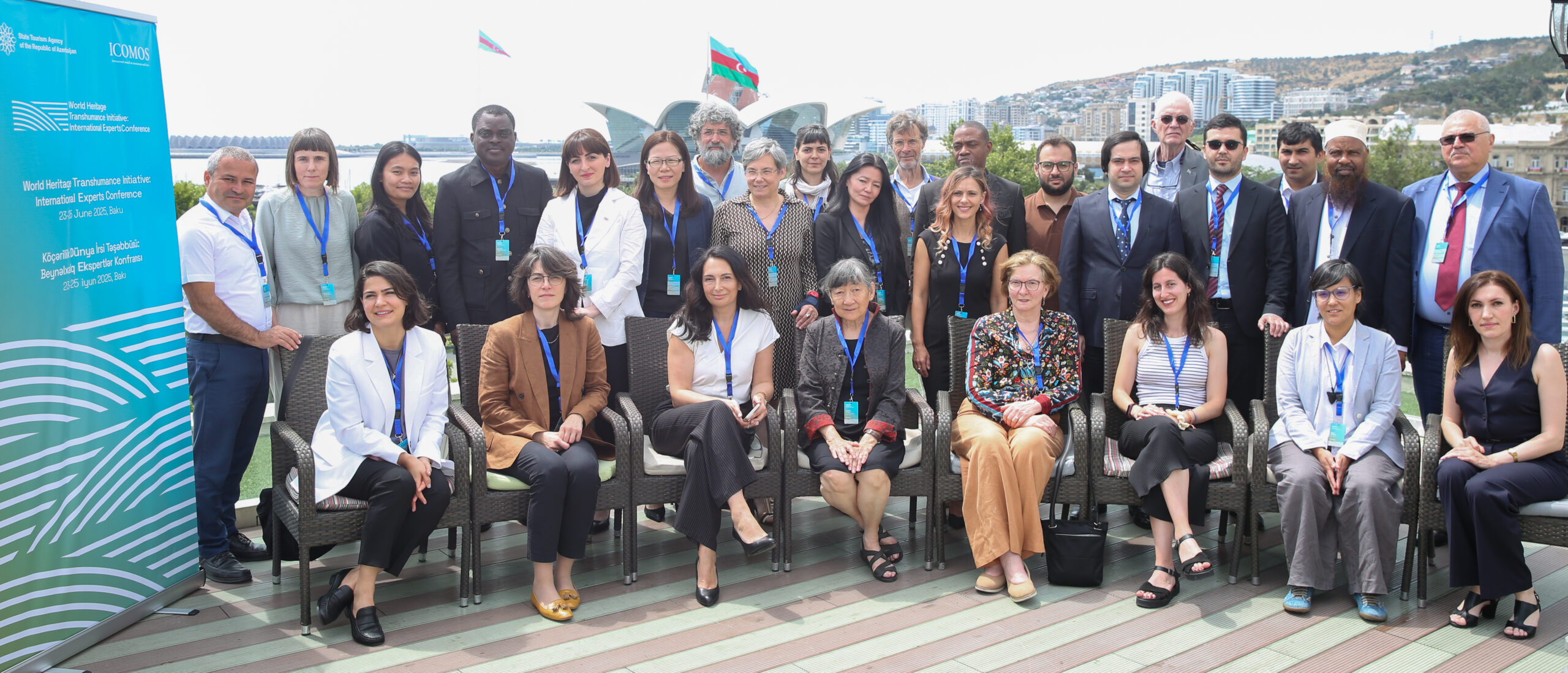
“The Baku Declaration on the Recognition, Safeguarding, and Transmission of the Heritage of Pastoralist Transhumance” Adopted at the Transhumance Expert ...
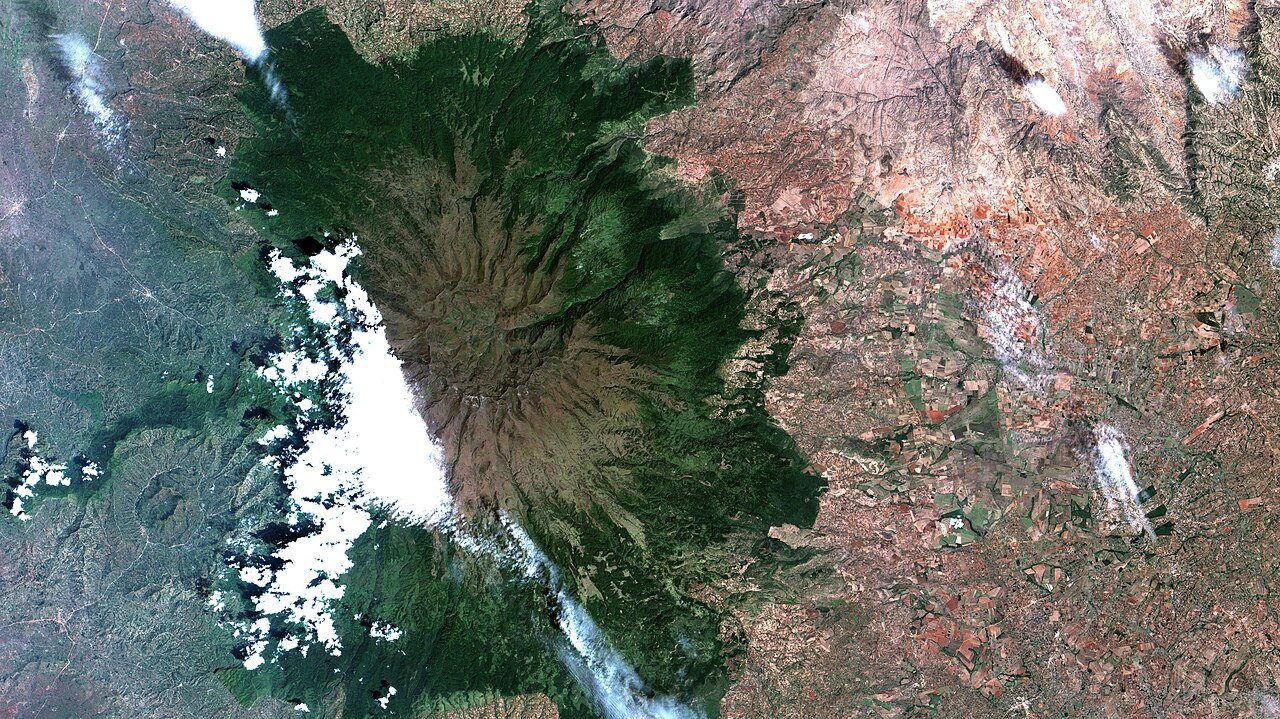
Image above: Mount Elgon, extinct volcano at Uganda - Kenya border, Africa. Agricultural areas appear in orangeish saltpepper, montane forest ...
Focus for this Meeting This webinar is hosted by Raquel, Chun-Hsi, and Ana, and hope to encourage everyone ...
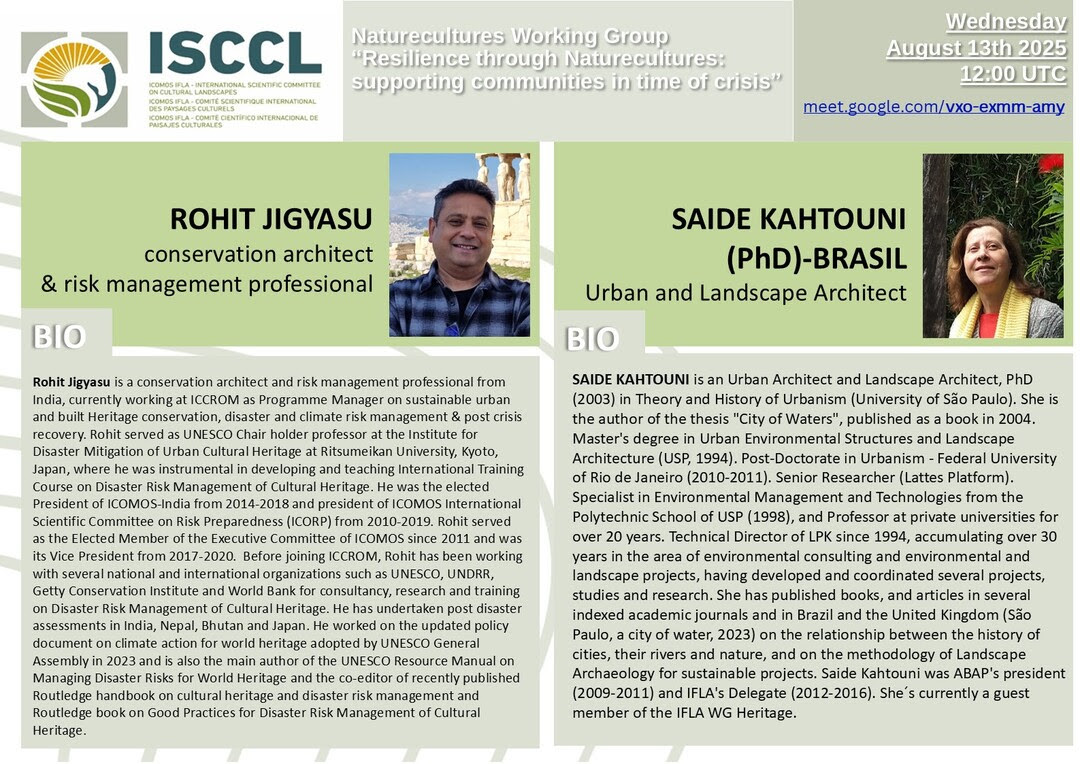
Themes (1) Rohit Jigyasu : Ecological Approach towards building resilience of heritage against disaster and climate changes; (2) Saide ...
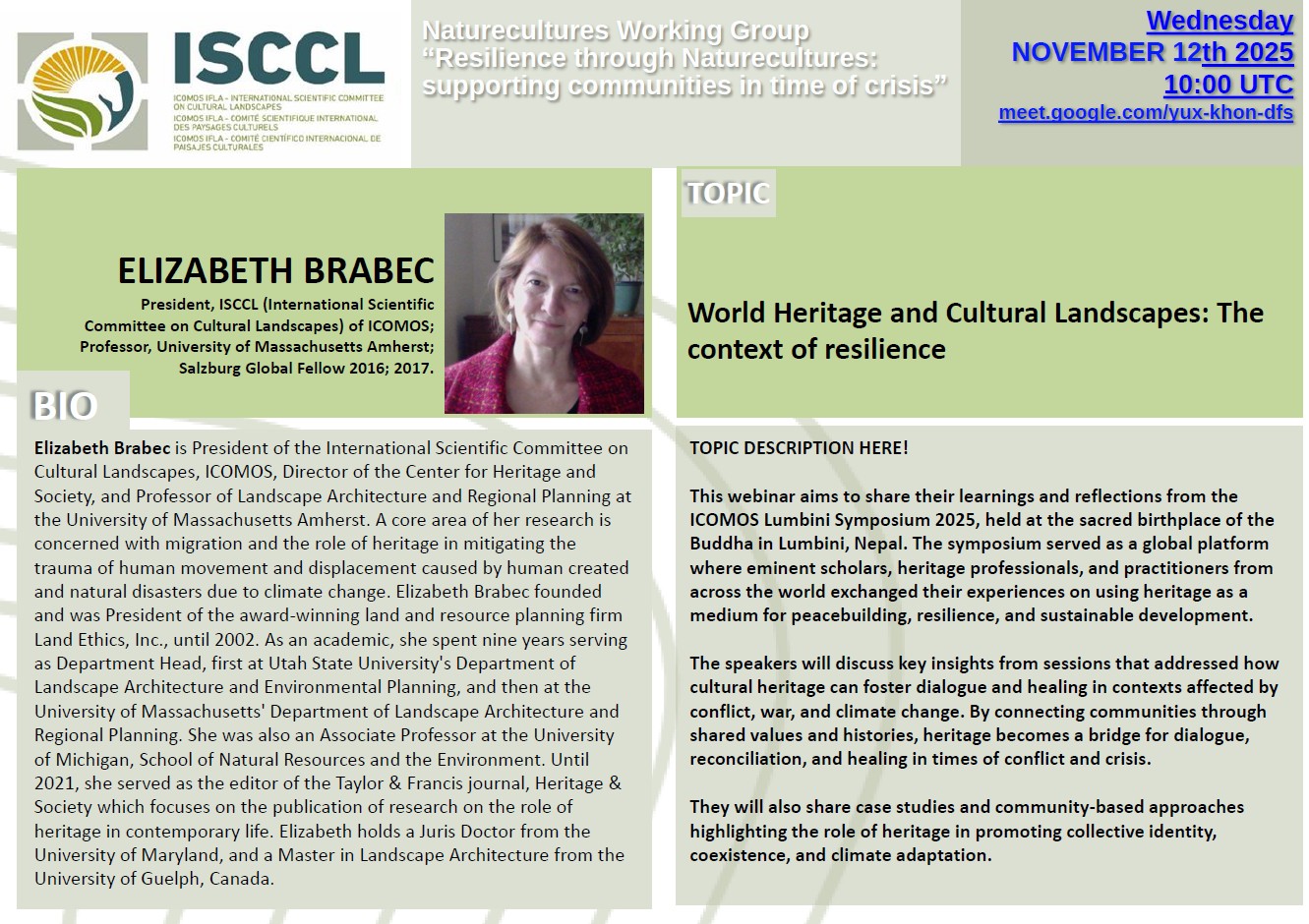
Theme Heritage as a catalyst for peace amidst conflicts, war and climate change Reflections from Nepal session at Lumbini ...
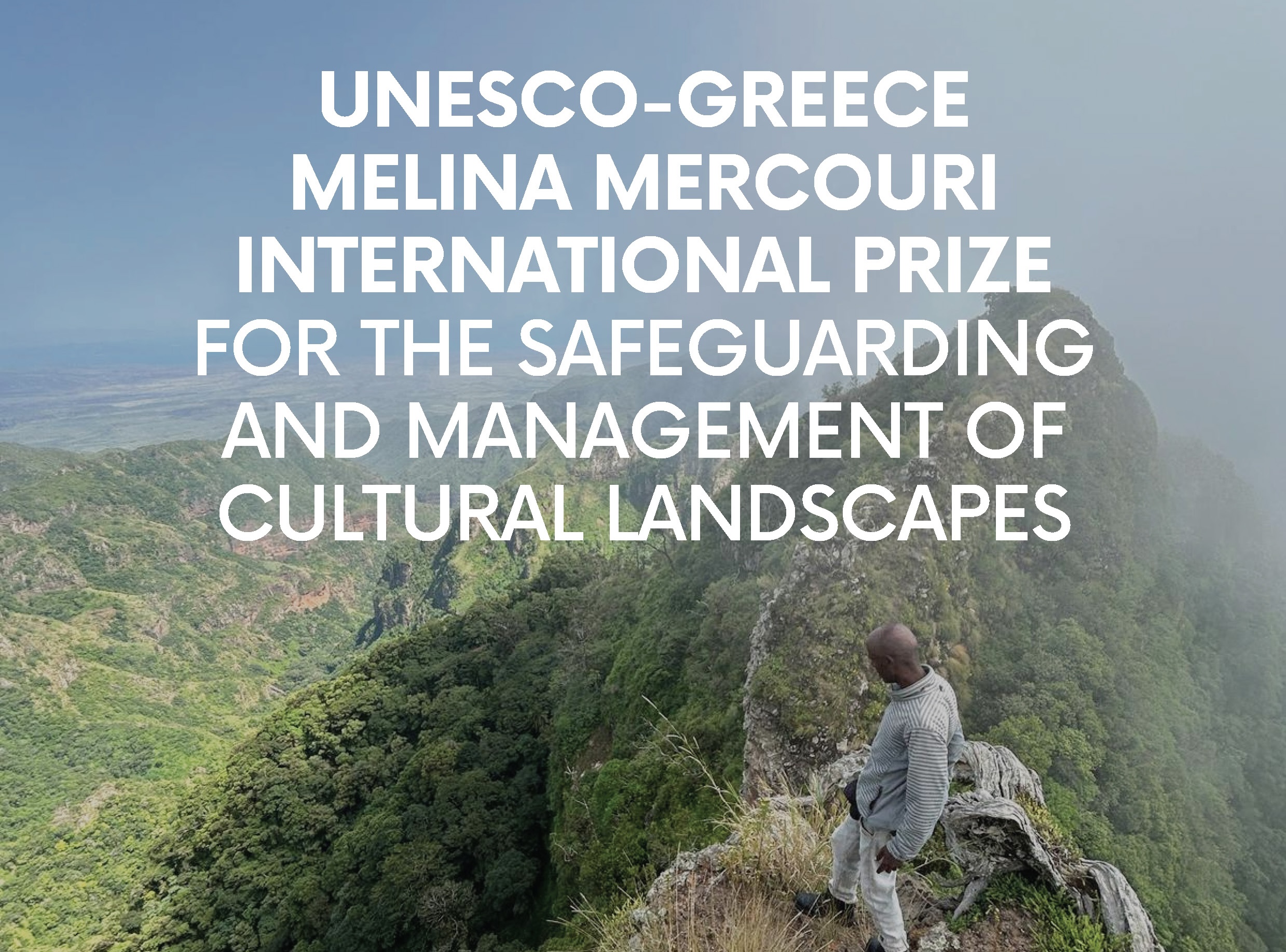
Awarded to Wazee wa Mazingira council of Elders in Kenya: The UNESCO-UNESCO-Greece Mercouri International Prize for the Safeguarding and Management of ...
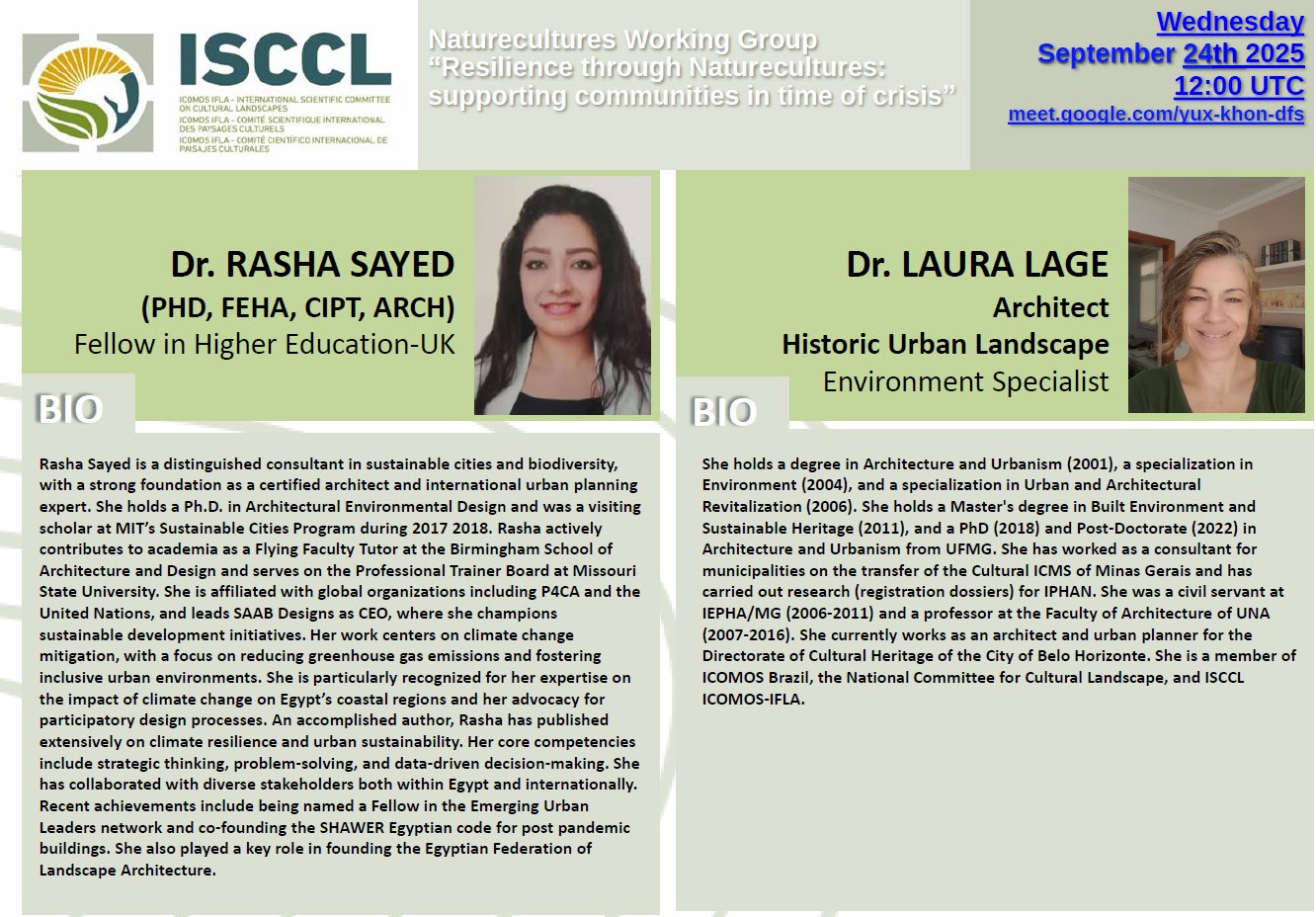
Themes (1) Rasha Sayed: Redesign of Damage Places outdoors as a landscape architecture tool: Reclaiming the landscape: How designers ...
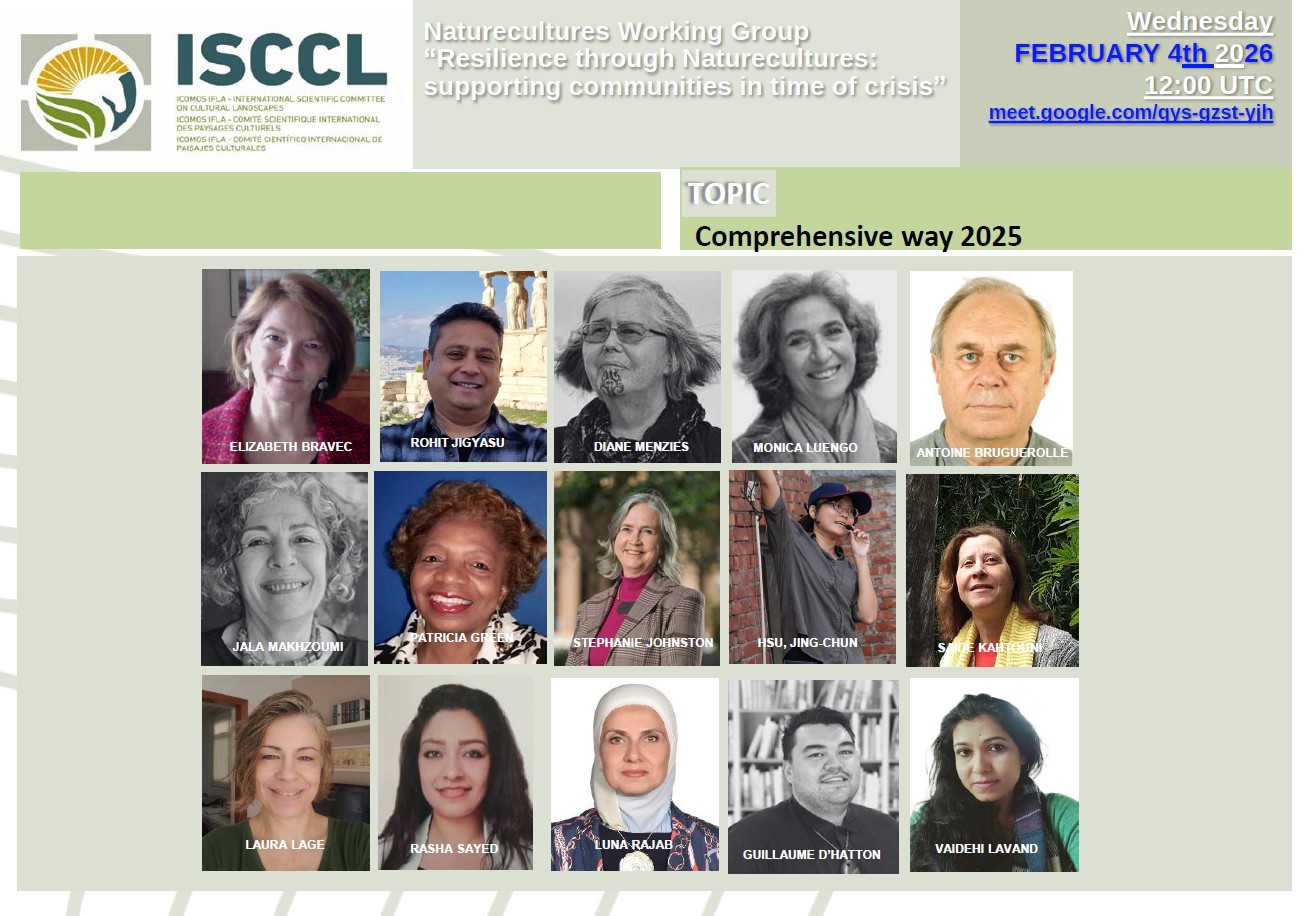
Themes The first webinar of 2026, reflects on last year’s Webinar series, Resilience through NatureCultures, with the topic of ...
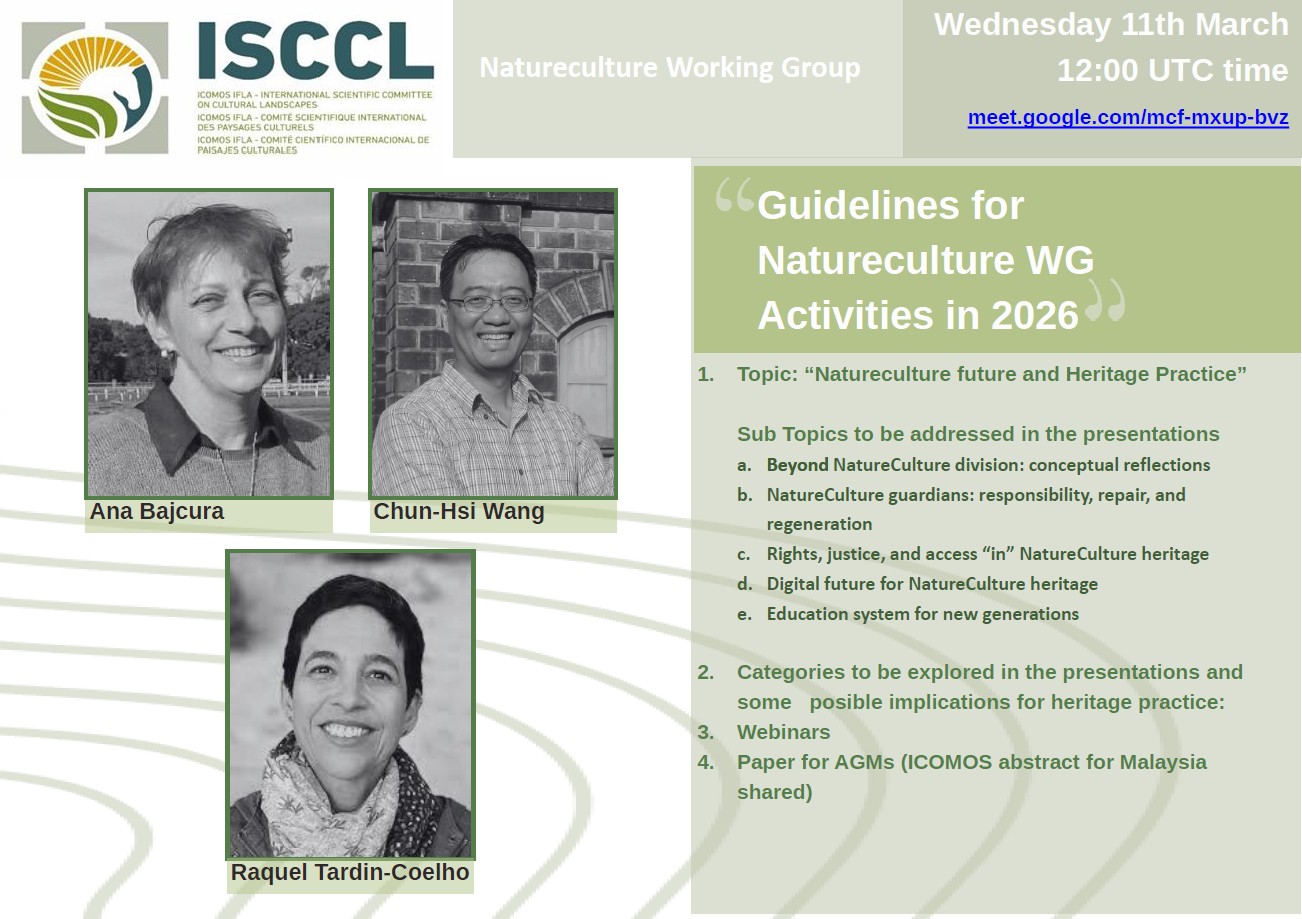
Themes The second webinar of 2026, will be on 'Guidelines for Natureculture Working Group Activities in 2026'. Organised by ...
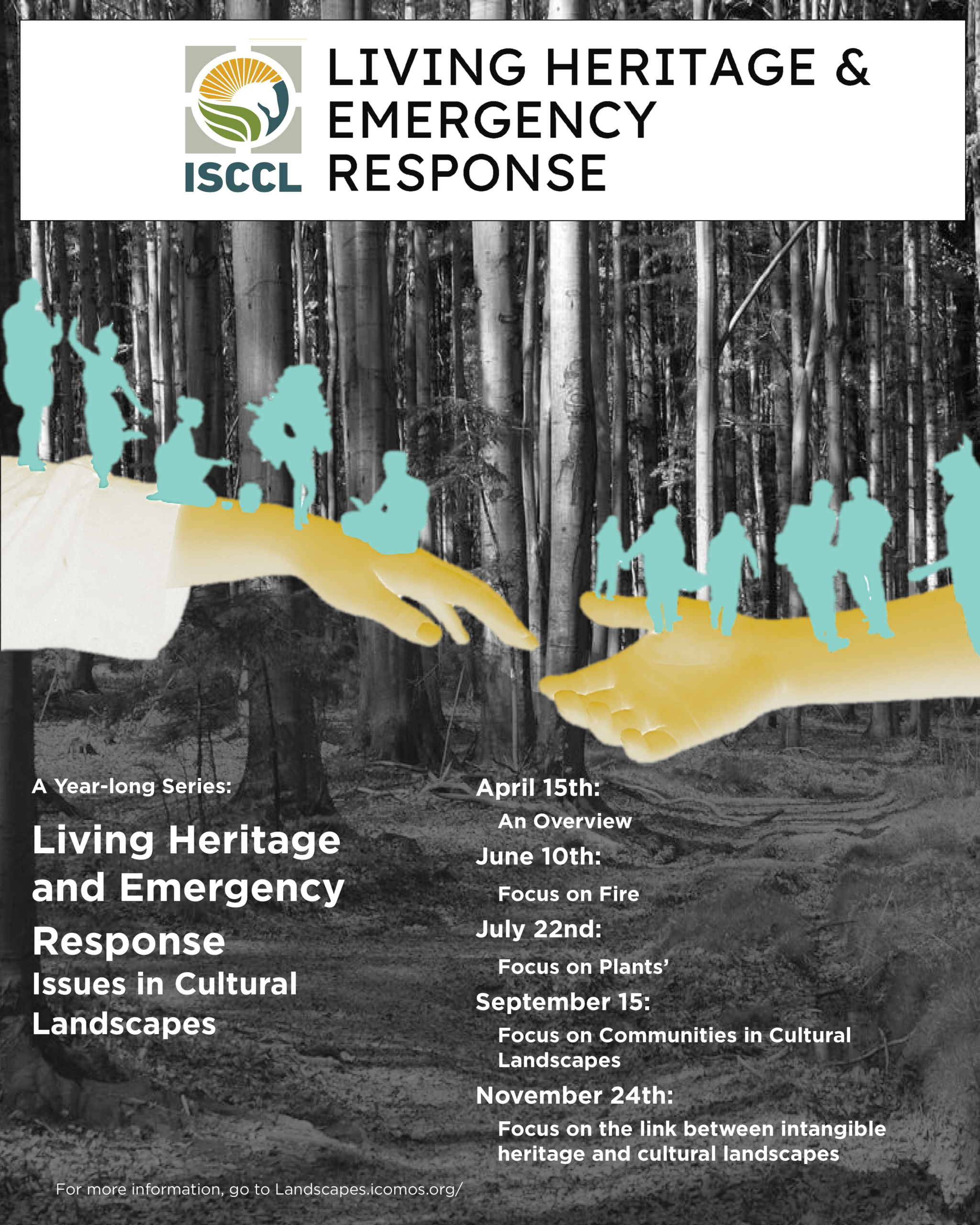
The year-long series of workshops focuses on issues of emergency response for cultural landscapes. The first workshop provides an overview ...
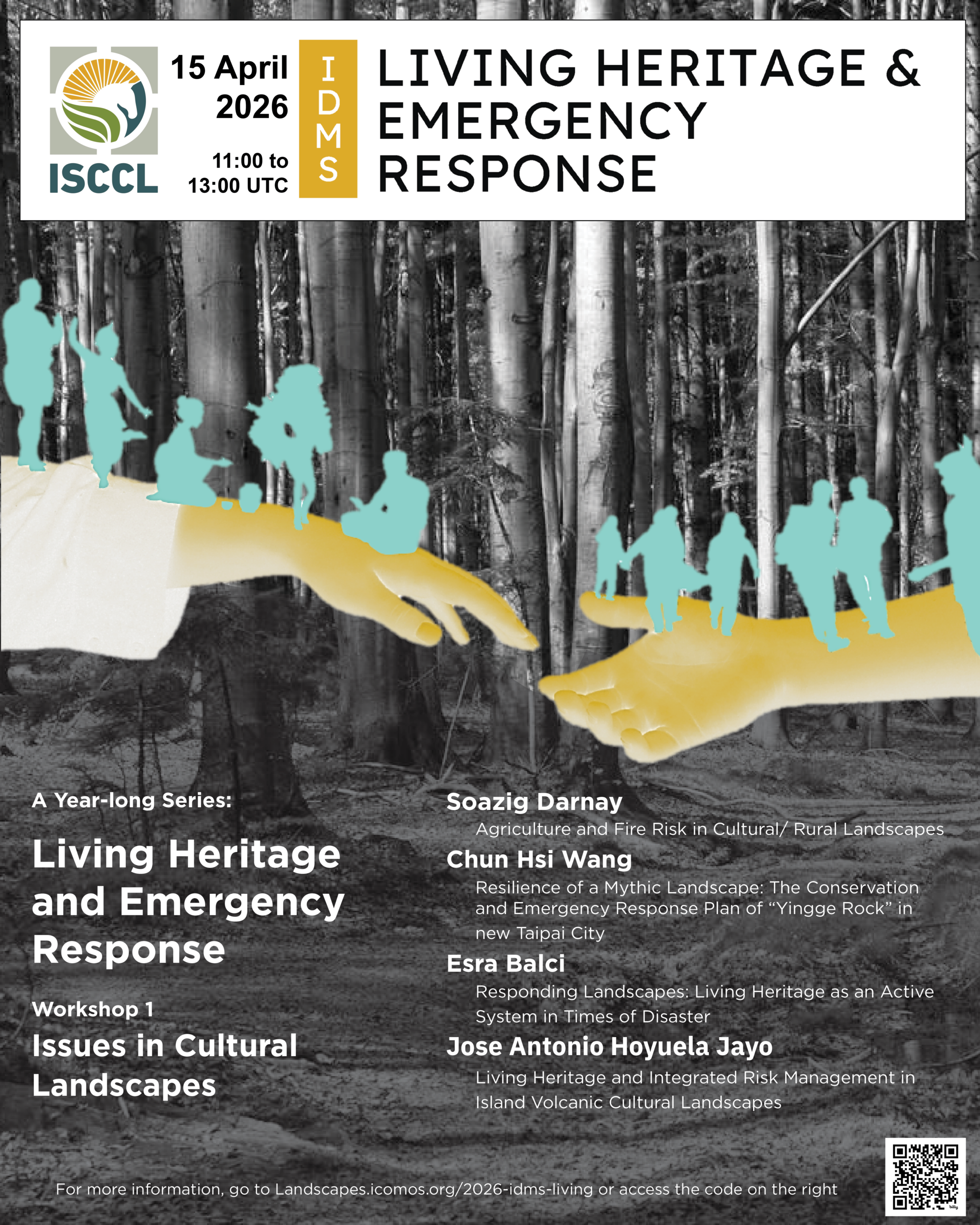
Workshop 1: A year-long series of workshops, focusing on the issues of emergency response for cultural landscapes kicks off ...
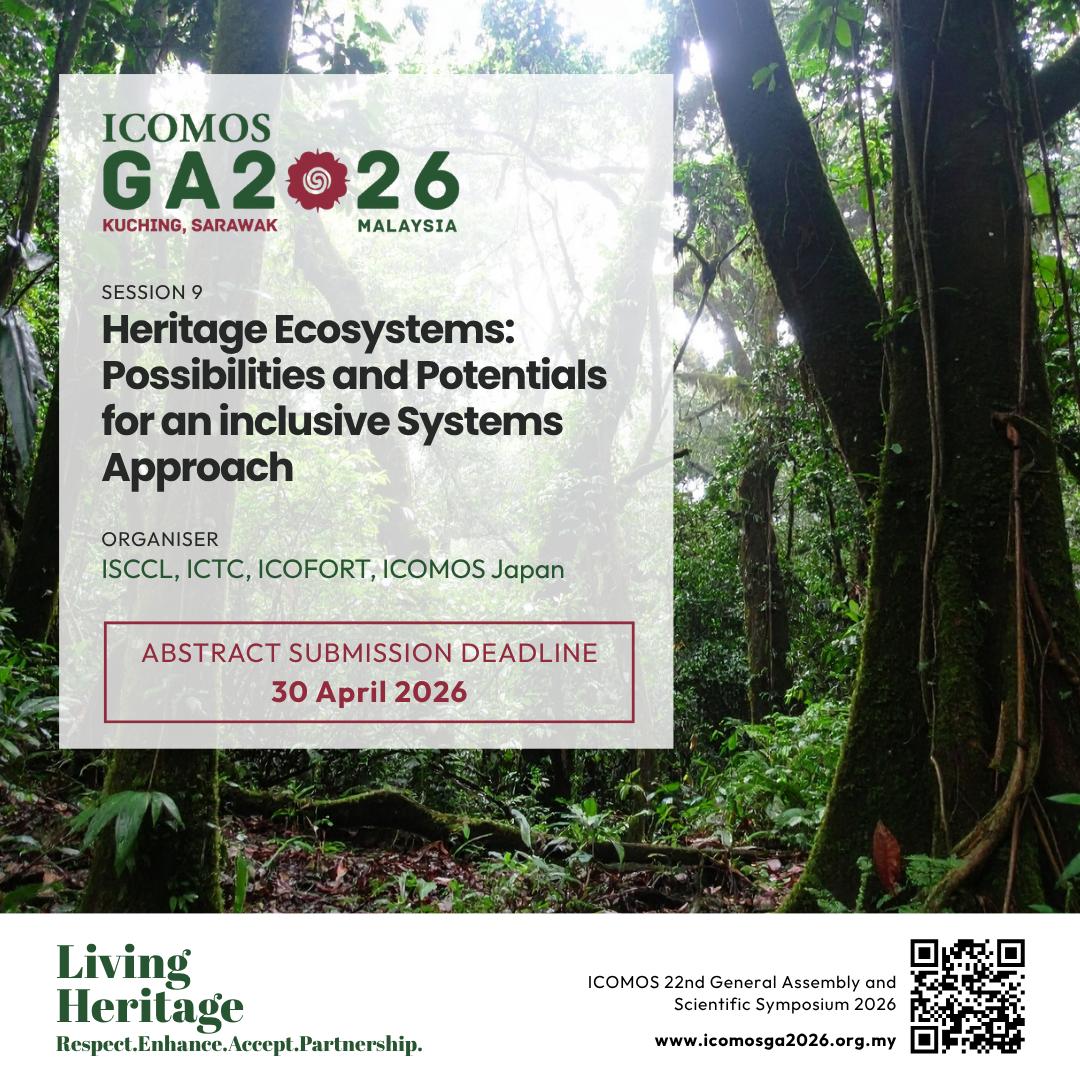
You are invited to contribute to Session 9 of the ICOMOS 22nd General Assembly and Scientific Symposium 2026, to be ...
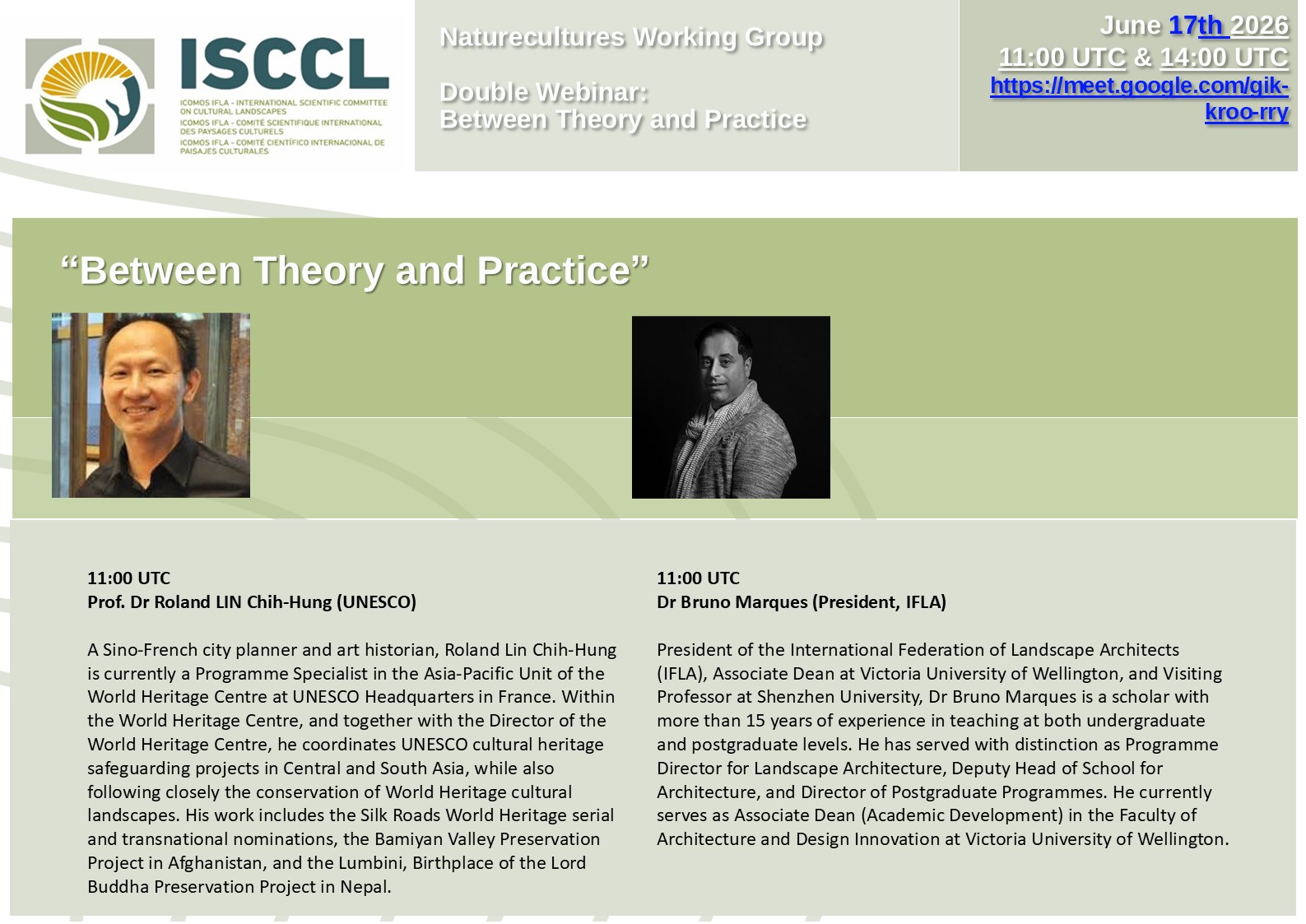
Themes “Between Theory and Practice” 1. WEBINAR UNESCO, IFLA, IUCN, presenters (11:00 UTC time) ROLAND LIN (UNESCO World Heritage ...