
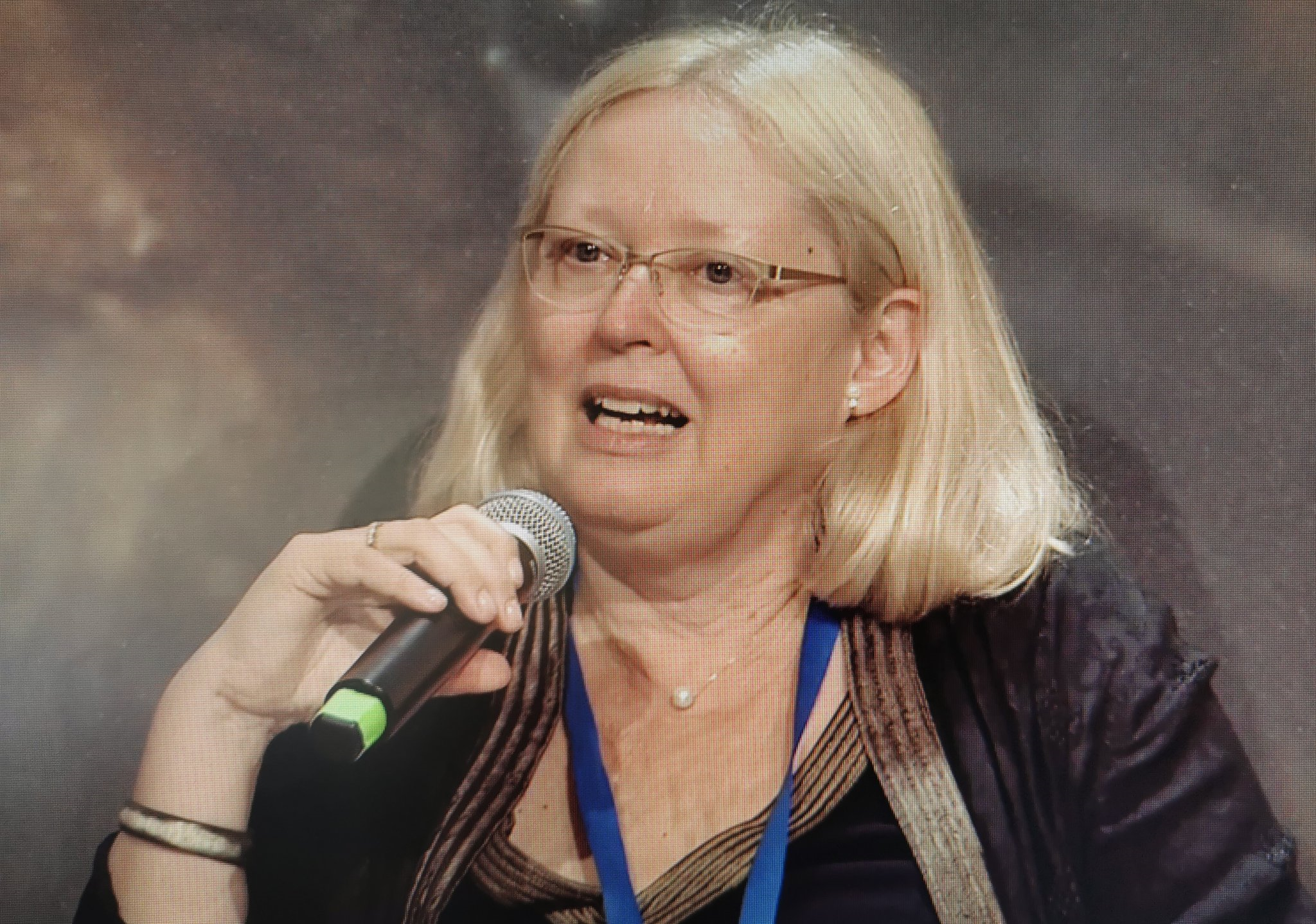
Dr. Mechtild Rössler, OWH and former Director of the UNESCO World Heritage Centre
ISCCL Expert Member, Germany
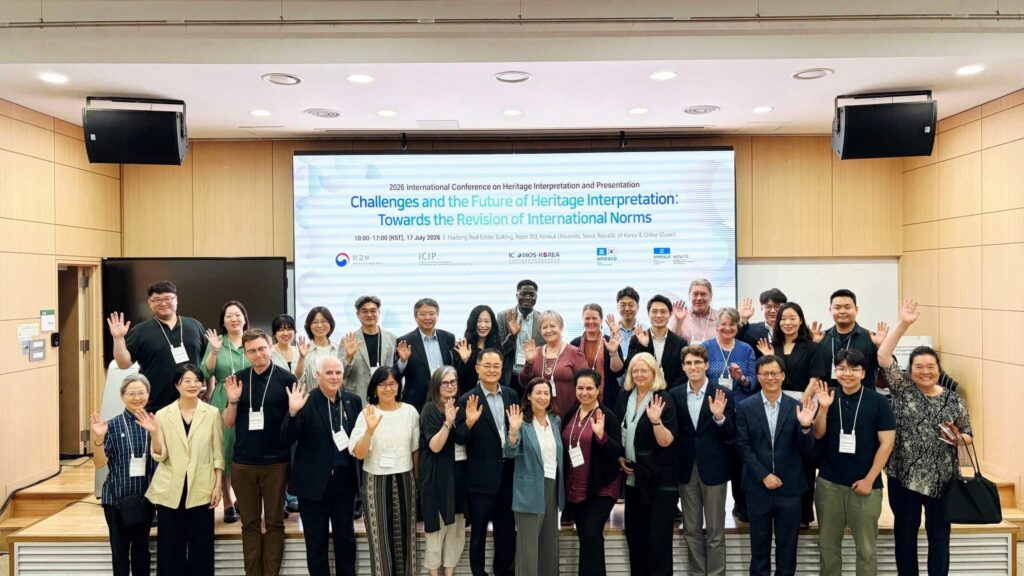
On 17 July 2026, I participated in the 2026 International Conference on Heritage Interpretation and Presentation at Konkuk University in Seoul, Korea, bringing together heritage experts and practitioners from around the world. Organised by the Ministry of Foreign Affairs of the Republic of Korea and the ICOMOS Scientific Committee on Interpretation and Presentation (ICIP), in collaboration with ICOMOS Korea, the Korean National Commission for UNESCO and the UNESCO Category 2 Centre WHIPIC, the conference explored how heritage interpretation is evolving in response to contemporary challenges.
 Discussions addressed a wide range of emerging issues, including conflict and memory, artificial intelligence, climate change and changing approaches to heritage interpretation and presentation. The exchanges in Seoul were subsequently brought into the World Heritage Committee through a dedicated side event during the 48COM in Busan.
A key focus was the need to consider whether existing international standards for heritage interpretation remain adequate for the challenges facing heritage today. The discussions will contribute to ongoing thinking around the future revision of international guidance, including the 2008 ICOMOS Charter for the Interpretation and Presentation of Cultural Heritage Sites.
This discussion is particularly relevant to the work of ISCCL. Cultural landscapes present distinctive challenges for interpretation because they are often extensive, inhabited and continuously evolving territories rather than discrete heritage sites with clearly defined entry points. Interpretation therefore needs to engage not only international visitors and tourists, but also local communities and national audiences, while communicating the complex relationships between people, nature, culture and place.
Many cultural landscapes have neither dedicated interpretation centres nor conventional points at which visitors encounter explanatory panels. This raises important questions about how interpretation can become more distributed, participatory and responsive to the character of the landscape itself.
There is considerable scope for ISCCL members to contribute to these emerging discussions and to help shape future approaches to the interpretation and presentation of cultural landscapes. The conversations in Seoul and Busan provide an important starting point for considering what interpretation should mean for living, large-scale and culturally diverse landscapes in the 21st century.