

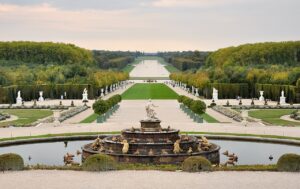
Cultural Landscapes are combined works of nature and humankind, that have developed over periods of time. They reflect the interaction of cultural traditions with nature and natural ecosystems and can be of three main categories:
- designed landscapes
- organically evolved landscape that can be
- a relict landscape, one in which the processes of creation have stopped;
- a continuing landscape, where you can see the material evidence of its evolution over time and that evolution continues;
- associative landscape, in which a natural element has religious, artistic or cultural associations.
In World Heritage terms, these types are defined in Annex 3 of the Operational Guidelines of the World Heritage List.